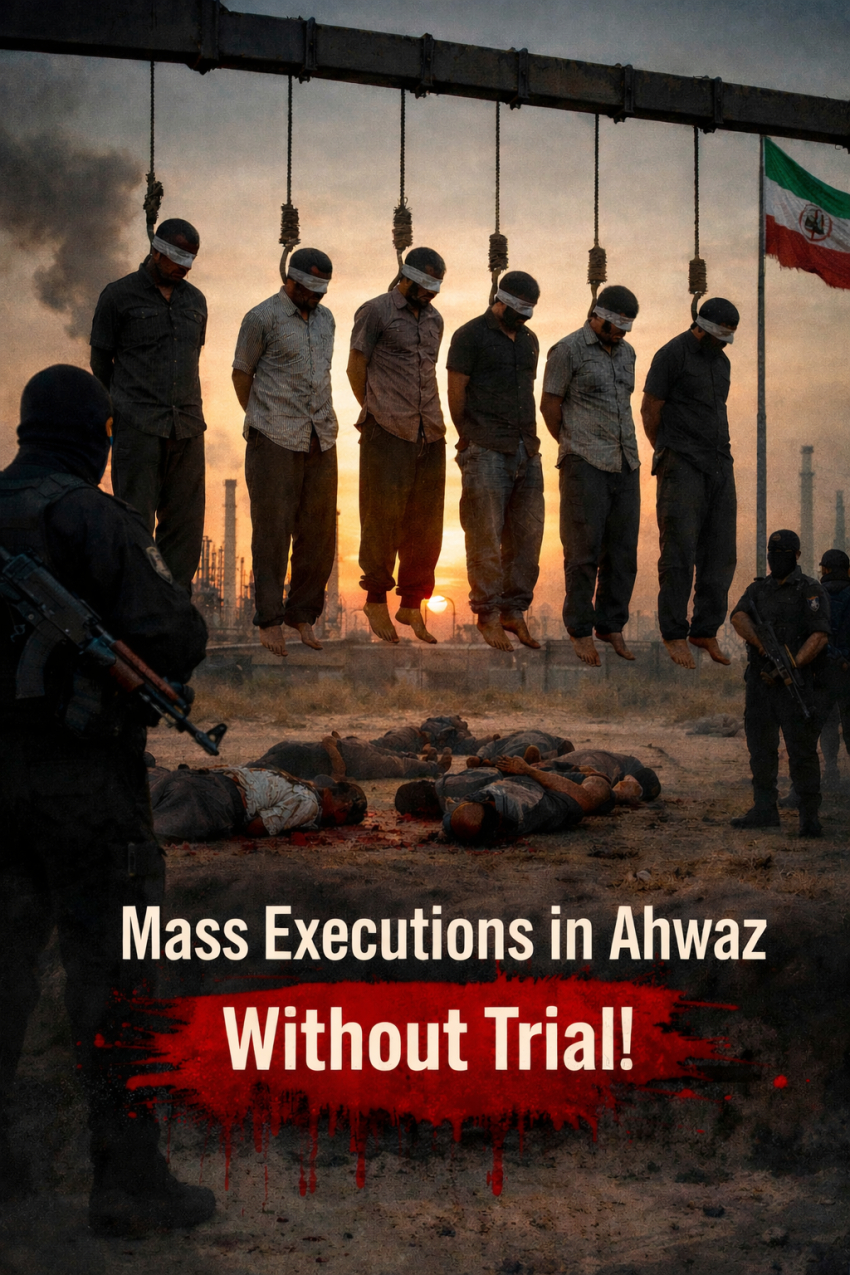




Iran: UN expert says ethnic, religious minorities face discrimination
تشرين1/أكتوير 25, 2019NEW YORK (22 October 2019) – Ethnic and religious minorities in Iran face significant challenges to the realisation of their rights, particularly against the backdrop of a worsening economic situation, Javaid Rehman, the Special Rapporteur on the situation of human rights in the Islamic Republic of Iran, says in a report to be presented to the UN General Assembly.
Iranians face rising inflation, late or unpaid wages, and lack of access to work, food, health care, and water, among other challenges, which have been exacerbated by the re-imposition of sanctions. Those most vulnerable, including minorities, are seriously affected by this deterioration.
Rehman expressed concerns that ethnic and religious minorities represent a disproportionate number of individuals who are executed on national security-related charges, and a disproportionate number of political prisoners in the country.
“I am concerned about the issue of incitement and hatred against minorities, and that the national legal framework does not provide adequate protections to ensure that such individuals do not face discrimination,” he said in his annual report to be presented on Wednesday.
Rehman said that simply taking part in advocacy for the use of minority languages, organising or taking part in peaceful protests, and affiliation with opposition parties may all be grounds for arrest and detention by the authorities. Human rights activists from ethnic minority communities including Arab Ahwazis, the Azerbaijani Turks, and the Kurds have been arrested for peacefully exercising their rights to freedom of expression and assembly to call for their basic rights.
“I have observed an ongoing curtailment of the enjoyment of the right to freedom of assembly and association over the year, and the impact of this has been felt most keenly by workers, teachers, students, minorities and women,” he said. “Measures which stifle exercise of the rights to freedom of expression and assembly, particularly when employed against those calling for the realisation of their most basic rights, are of grave concern.”
The situation of economic, social, and cultural rights among minorities is similarly dire. Many face significant socio-economic challenges due to the forced closure of businesses, discriminatory practices and denial of employment, restrictions on access to education and other basic services and a lack of economic development. In regions populated by ethnic minorities, such as the Sistan and Baluchistan province where most ethnic Balochis live, the vast majority of the population lives below the national poverty line, Rehman said.
Left outside the national legal framework, unrecognised religious minorities such as Baha’is, Christian converts, Sufis, including the Gonabadi order, Yarsanis and the Sabean-Mandaeans, are the targets of discriminatory legislation and practices. They have faced arrest and arbitrary detention for their beliefs, as well as discrimination in employment and education, the UN expert said. Even for recognised religious minorities such as Christians, Jews, and Zoroastrians, a number of rights granted under the Constitution remain highly restrictive.
Rehman also expressed concerns about broader human rights issues, including the continued use of the death penalty, noting that so far this year at least 173 people had been executed, two of whom were children (aged 17).
The Rapporteur further highlighted the situation of women’s rights in the country, raising concerns that individuals – both men and women – protesting the compulsory hijab have been arrested and sentenced to lengthy prison terms. “Although the recent allowance by the Government for women to attend a football match is most welcome, it is but one step, and I would note that broad discrimination against women persists in law and practice,” he said.
ENDS
Javaid Rehman is a Professor of International Human Rights Law and Muslim Constitutionalism at Brunel University, London. Mr Rehman teaches human rights law and Islamic law and continues to publish extensively in the subjects of international human rights law, Islamic law and constitutional practices of Muslim majority States. Several of his published works have been translated into various languages. As a human rights lawyer, Mr Rehman has also provided legal opinions in various high-profile cases in a number of jurisdictions.
The Special Rapporteurs are part of what is known as the Special Proceduresof the Human Rights Council. Special Procedures, the largest body of independent experts in the UN Human Rights system, is the general name of the Council’s independent fact-finding and monitoring mechanisms that address either specific country situations or thematic issues in all parts of the world. Special Procedures experts work on a voluntary basis; they are not UN staff and do not receive a salary for their work. They are independent from any government or organization and serve in their individual capacity.
UN Human Rights, Country Page — Iran
For more information and media requests, please contact: Ms Katharine Marshall (+41 22 917 9695 / عنوان البريد الإلكتروني هذا محمي من روبوتات السبام. يجب عليك تفعيل الجافاسكربت لرؤيته.)
For media inquiries related to other UN independent experts please contact: Mr. Jeremy Laurence, UN Human Rights – Media Unit (+41 22 917 9383 / عنوان البريد الإلكتروني هذا محمي من روبوتات السبام. يجب عليك تفعيل الجافاسكربت لرؤيته.)
Follow news related to the UN’s independent human rights experts on Twitter@UN_SPExperts.
Concerned about the world we live in?
Then STAND UP for someone’s rights today.#Standup4humanrights and visit the web page at http://www.standup4humanrights.org
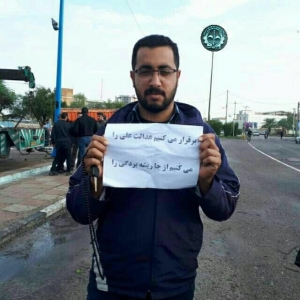
* Arrest of Ahwazi citizen Emad Al-Kathir
تشرين1/أكتوير 24, 2019An employee of Haft Tapeh sugar cane company was arrested for participating in a recent protest over payroll delays.
Ahwazi Human Rights Association
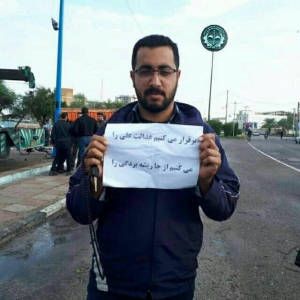
دستگیری شهروند احوازی عماد ال كثیر
تشرين1/أكتوير 24, 2019عماد ال كثير ، کارمند شرکت نیشکر هفت تپه بدلیل مشارکت در اعتراضات اخیر که نسبت به تاخیر در پرداخت حقوق و دستمزد برگزار شده بود، دستگیر شد.
نيروهاى امنيى وابسته به سپاه پاسداران از دادن هرگونه اطلاعى درباره محل نگهدارى خوددارى مى كنند.
سازمان احوازی حقوق بشر
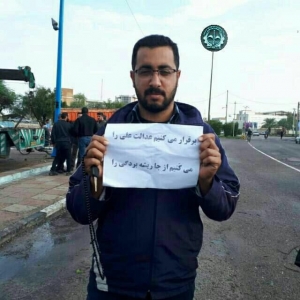
اعتقال مواطن احوازي عماد ال كثير
تشرين1/أكتوير 24, 2019موظف في شركة قصب السكر في مدينة سبع اتلال [هفت تبه
تم اعتقال اليوم بسبب المشاركة في الوقفة الاحتجاجية لعمل شركة قصب السكر طالب فيها بدفع رواتبهم المتأخرة منذ، شهور.
المنظمة الاحوازية لحقوق الانسان
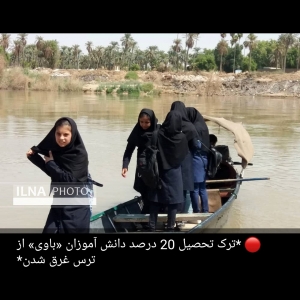
حرمان اكثر من خمسين بالمئة من الطالبات الأحوازيات من الدراسة
تشرين1/أكتوير 03, 2019تضطر اكثر من خمسين بالمئة من الطالبات الأحوازيات لترك الدراسة ذلك بسبب عدم وجود مدارس للمرحلة الاعدادية في المدن و القرى التابعة لمدينة الأحواز العاصمة.
و وفقأ لتصريح الصحف الايراني (فارس نيوز ، عصر ايران ، خوزنيوز و ... ) ان اكثر من عشرين بالمئة من الأحوازيات في منطقة كارون يضطرن الى ترك الدراسة و السبب عدم وجود مدارس بعد الدورة المتوسطة في هذه المدن.
و تعتبر سياسة التجهيل المتعمدة احدى السياسات التي تمارسها السلطات الايرانية في الأحواز حيث أدت هذه السياسة الى مستويات متدنية علميأ في بعض من العوائل الأحوازية انعكست اغلبها على اطفال هذه العوائل حتى اصبحت سببا في ارتفاع نسبة المجرمين بينهم.
و في الوقت الذي تلعب الام الدور الأهم في تربية المجتمع و تنميته الا ان الام التي تعاني من مستوى علمي متدني قد يواجه اطفالها بالتأكيد صعوبات في مشوارهم الدراسي.
المنظمة الأحوازية لحقوق الإنسان
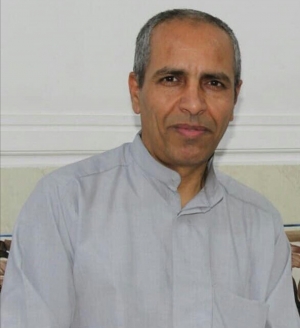
بازداشت نویسنده و معلم احوازی سعید مقدم
تشرين1/أكتوير 02, 2019نیروهای امنیتی و اطلاعاتی ایران روز گذشته 01.10.2019 سعید مقدم نویسنده و معلم احوازی را بازداشت کردند: ابو شروق(سعید مقدم) را از خانه اش به مکانی نامعلوم و سری منتقل کردند .
منابع احوازی تأیید كردند كه نیروهای امنیتی ، بدون هرگونه مجوز رسمی یا اطلاع قبلی ، و يا مجوز قانونی از مراجع ذیربط به خانه وي هجوم اورده او را دستگیر كردند.
محل بازداشت احتمالاً یكی از زندانهای مخفی اطلاعات ایران در پایتخت الاحواز است.
سازمان احوازی حقوق بشر
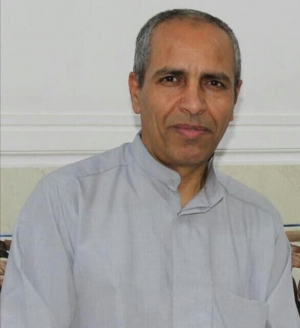
اعتقال الكاتب و الاديب الاحوازي سعيد مقدم
تشرين1/أكتوير 02, 2019اعتقلت قوات الامن و الاستخبارات الايرانية يوم امس مصادف 1.10.2019 الكاتب و الاديب الاحوازي سعيد مقدم : ابو شروق من منزله و نقلته الى مكان غير معلوم.
و أشارت مصادر أحوازية مؤثقة ان قوات الامن دون اي ترخيص رسمي او ابلاغ مسبق قامت بمداهمة البيت و اعتقلت المواطن سعيد مقدم دون اي ابلاغ مسبق او ترخيص قانوني من الجهات المعنية.
و من المحتمل ان يكون مكان الاعتقال احد السجون السرية التابع للإستخبارات الايرانية في الأحواز العاصمة.
المنظمة الأحوازية لحقوق الإنسان
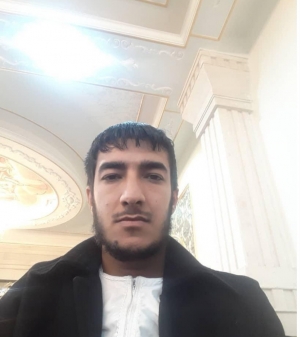
دستگیری شهروند احوازی احمد محمد براجعه
أيلول/سبتمبر 26, 2019منابع احوازی تأیید كردند كه مقامات ایران ، شهروند احمد محمد براجعه را دستگیر كردند و بدون هیچ مجوز قانونی از مراجع ذیربط یا هرگونه اطلاع قبلی ، وی را به مکانی نامعلوم و سری منتقل كردند.
احمد محمد براجعه 22 ساله وساكن کوی ملاشیه ميباشد
گفته می شود که اقوام بازداشت شده گفته اند كه مقامات ایران هنوز دلایل بازداشت وی را كه برخلاف قوانین بین المللی و بشردوستانه است ، به بازداشت كننده اطلاع نداده اند ، و این امر را فراهم می كند كه فرد بازداشت شده باید بلافاصله پس از دستگیری از دلایل دستگیری خود مطلع شود.
سازمان احوازی حقوق بشر
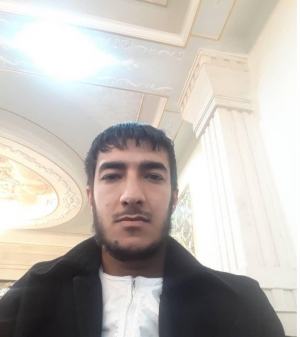
اعتقال المواطن احمد محمد البراجعة
أيلول/سبتمبر 26, 2019اكدت مصادر احوازية ان السلطات الايرانية قامت باعتقال المواطن احمد محمد البراجعة و نقلته الى مكان غير معلوم ذلك دون اي ترخيص قانوني من الجهات المعنية او اي ابلاغ مسبق .
المواطن احمد محمد البراجعة يبلغ من العمر 22 سنه و يسكن في حي الملاشية
و حسب ما نقل عن اقارب المعتقل بان سلطات الايرانية لم تبلغ بعد المعتقل عن اسباب اعتقاله , الامر الذي يتنافى مع القوانين الدولية و الانسانية و التي تنص على ابلاغ المعتقل عن اسباب اعتقاله فور الاعتقال .
المنظمة الاحوازية لحقوق الانسان
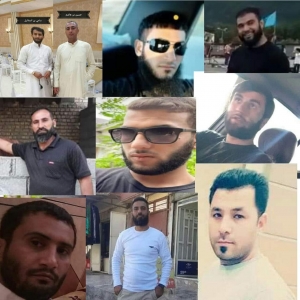
The names of recent Ahwazi detainees
أيلول/سبتمبر 22, 2019Alahwazi Organization for Human Rights obtained a list of some of the Ahwazi detainees who were arrested on Wednesday, 11 September 2019.
all of the detainees are residents of al-Da'ira neighborhood in the capital city of Ahwaz.
Iranian intelligence and security forces transferred them to an unknown location.
The detainees are:
1. Hussein bin Seydsari, unmarried
2. Rasul Bin Seydsari, married with four children _age 40
3. Sami Bin Asmayel Al-Sari, married with two children_age 40
4. Ali Bin Ashim Al-Sari _Age 35 Married
5. Adel Bin Azarah Al-Sari _age 30 married
6- Reza ben Atiyee Sari _age 20 married
7- Salem Bin Jasb Al-Sari _age 35 married
8. Ali Bin Younis al-Haidari,age 20 married
9. Issa Sophie (Hardani) -age 20 unmarried
10. Abbas Zabi is 20 years old, married
The reasons for their arrest are reportedly their abandonment of Shi'ism, their adherence to the Islamic religion (Sunnis and Jamaa) and their activity in this area.
Alahwazi Organization for Human Rights