


Death of an Ahwazi Citizen in Oil Exploration Operations in Hor al-Falahiyah, Amid Occupying Authorities’ Cover-up of the Real Causes
أيلول/سبتمبر 25, 2025The Alahwazi Organization for Human Rights is following with deep concern the tragic situation in Hor al-Falahiyah in Ahwaz, where this unique ecological area has turned into a site of grave violations against both people and nature. This is a direct result of the oil exploration projects imposed by the Iranian occupying authorities without any regard for human or environmental standards.
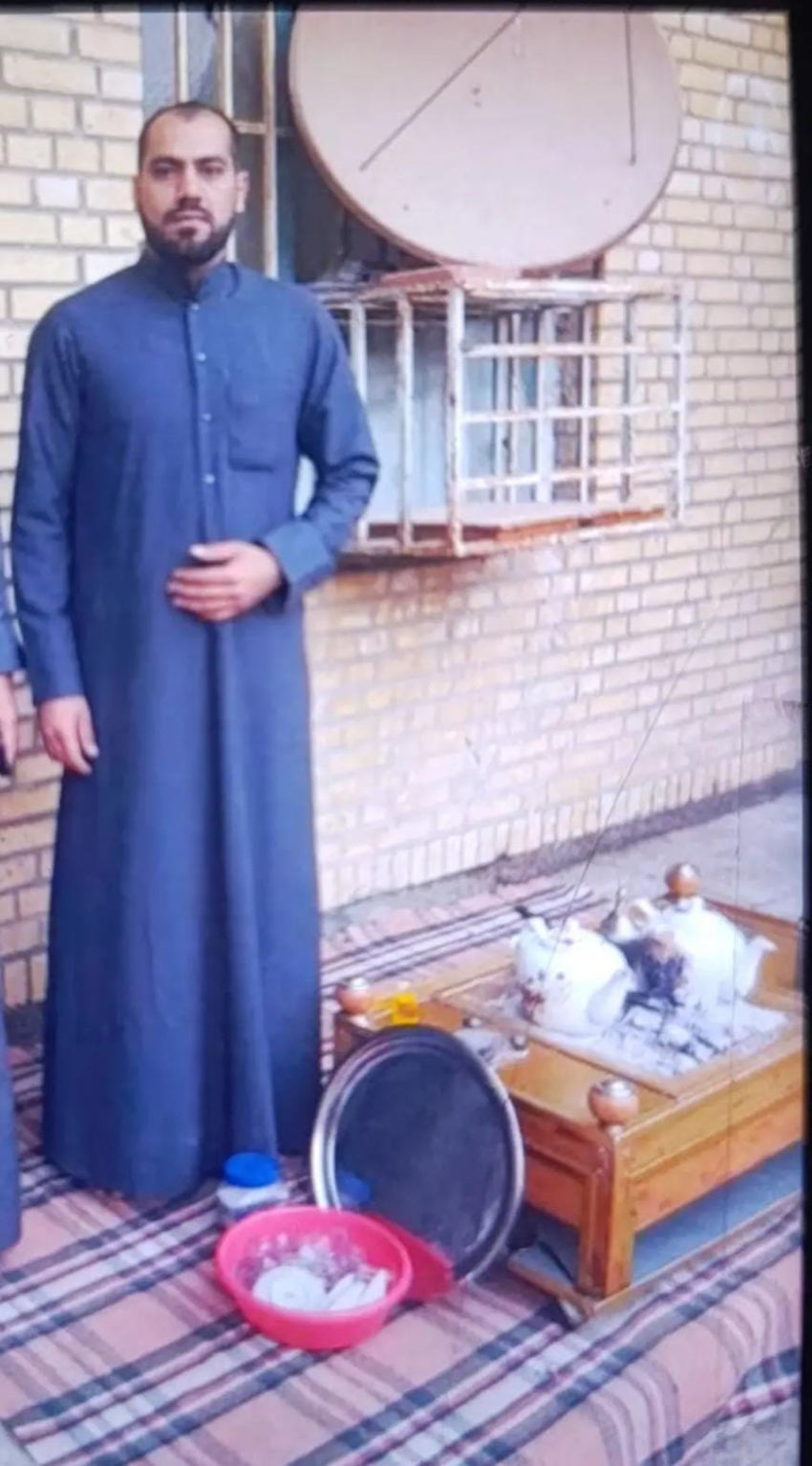
Local sources documented the death of the Ahwazi citizen Alireza Janami (27 years old) while working in one of the oil drilling sites inside the marsh. He had been subjected to extremely dangerous working conditions, with no basic safety measures in place. Despite the seriousness of the incident, the occupying authorities attempted to downplay their responsibility by issuing an official statement claiming that the cause of death was exposure to sunlight and high temperatures a clear attempt to cover up gross negligence and the failure to take necessary measures to protect workers’ lives.
The continuation of oil exploration in Hor al-Falahiyah poses a direct threat to the lives of Ahwazi workers, in addition to causing systematic destruction of the environment and marshlands, which constitute a vital lifeline for the region’s inhabitants.
Forced Displacement and Systematic Demographic Change
In this context, the organization warns of the policy of forced displacement pursued by the Iranian authorities against Ahwazi residents of villages surrounding Hor al-Falahiyah. This is part of an intelligence and security plan aimed at changing the demographic composition of Ahwaz. So far, this plan has led to the displacement of tens of thousands of villagers through economic strangulation, neglect of infrastructure, and the transformation of their areas into military zones or oil projects.
This forced displacement represents a blatant violation of international law, particularly:
• Article 49 of the Fourth Geneva Convention, which states:
“The Occupying Power shall not deport or transfer parts of its own civilian population into the territory it occupies.”
• Article 7(d) of the Rome Statute of the International Criminal Court, which classifies forced displacement on ethnic, national, or religious grounds as a crime against humanity.
Accordingly, the Ahwazi Organization for Human Rights affirms the following:
1. Condemnation of the Iranian occupation policies that endanger the lives of Ahwazi workers and target both the environment and human existence in Hor al-Falahiyah.
2. The demand for an independent international investigation into the circumstances surrounding the death of Alireza Janami, and for accountability of those responsible for professional and criminal negligence.
3. The call for the immediate suspension of oil exploration in Hor al-Falahiyah until workers’ rights are guaranteed and the destruction of the marshlands is halted.
4. Rejection of the policy of forced displacement of villagers around the marsh, and a demand for the United Nations to send a fact-finding mission regarding the forced demographic changes in Ahwaz.
5. Holding the occupying authorities fully responsible for the environmental and humanitarian deterioration in the Ahwazi marshlands.
This crime is yet another addition to the long record of systematic violations suffered by the Ahwazi people under occupation. It requires urgent action from the international community and human rights organizations to protect the lives of citizens and stop the deliberate catastrophes targeting both human beings and the environment in Ahwaz.
Alahwazi Organization for Human Rights
Hussain Hazbavi
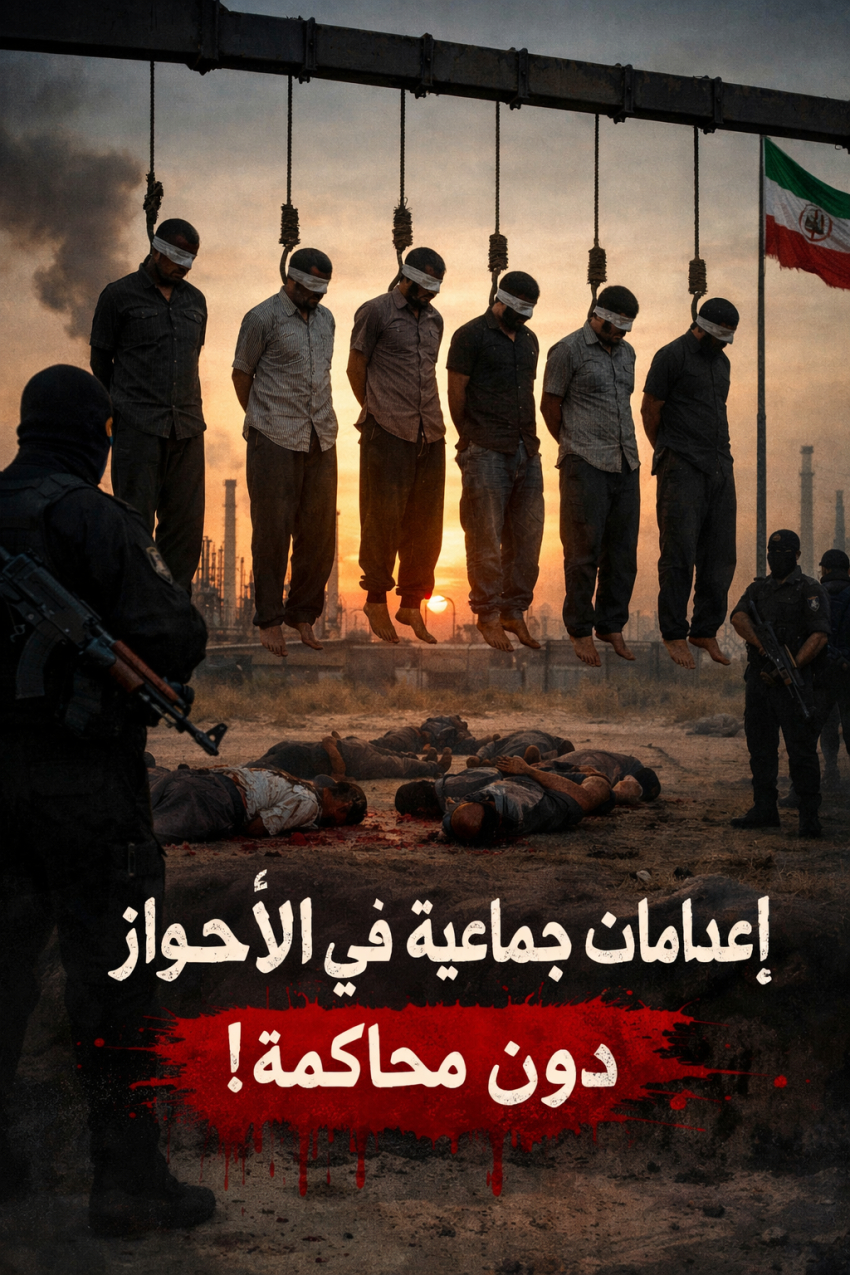
تنفيذ أكثر من 1000 حكم إعدام في إيران منذ بداية العام الجاري
أيلول/سبتمبر 24, 2025شهدت إيران منذ مطلع العام الجاري تصاعدًا حادًا في عدد الإعدامات، حيث تم تنفيذ أكثر من 1000 حكم إعدام حتى الآن، وفق تقارير حقوقية موثوقة. وفي الأسبوع الماضي وحده، نُفِّذ ما لا يقل عن 64 حكمًا، بمعدل يقارب تسع حالات يوميًا.
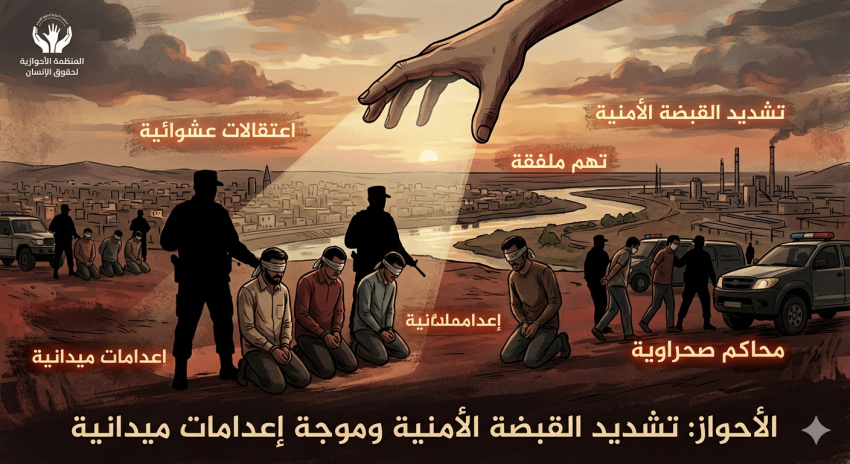
وفي إقليم الأحواز، أُعدم ما لا يقل عن 10 أشخاص خلال الأيام الثلاثة الماضية فقط. وتشير تقارير حقوقية إلى أن النشطاء السياسيين من أبناء الشعوب غير الفارسية يتصدرون قائمة من طالتهم هذه الإعدامات، يليهم نشطاء في المجالات الثقافية والدينية.
تأتي هذه الموجة من الإعدامات في وقت تشهد فيه البلاد توترًا داخليًا متزايدًا، خاصة بعد الحرب التي استمرت اثني عشر يومًا بين إيران وإسرائيل، والتي استغلتها السلطات في طهران لتكثيف القبضة الأمنية، لا سيما في الأقاليم التي تقطنها الشعوب غير الفارسية. ويرى مراقبون أن النظام الإيراني وجد في تلك الحرب ذريعة لتعزيز هيمنته الأمنية ليس فقط على هذه الشعوب، بل أيضًا على المجتمع الفارسي نفسه.
ورغم ضخامة الأرقام المعلنة، يؤكد نشطاء حقوقيون أن العدد الحقيقي للإعدامات أكبر بكثير من الأرقام الرسمية، نظرًا للتكتم الإعلامي وغياب الشفافية في مؤسسات القضاء والسجون الإيرانية. وتحتل إيران المركز الأول في القائمة السوداء للدول الأكثر تنفيذًا لأحكام الإعدام في العالم. كما تُعد الدولة الأولى عالميًا في تنفيذ الإعدامات نسبةً إلى عدد السكان، والمركز الثاني من حيث العدد الإجمالي بعد الصين، رغم أن عدد سكان الصين يتجاوز مليارًا و416 مليون نسمة، ما يجعل المعدل في إيران أكثر فتكًا وتأثيرًا.
وفي الوقت الذي تتهم فيه الشعوب غير الفارسية النظام الحاكم بالتورط في ترويج المخدرات داخل أقاليمها، تواصل السلطات إصدار وتنفيذ أحكام إعدام بحق متهمين بتجارة المخدرات، في قضايا يعتبرها نشطاء وحقوقيون ذريعة لتصفية معارضين سياسيين ومجتمعيين تحت غطاء القانون.
ويرى نشطاء أحوازيون في مجال حقوق الإنسان أن وصف إيران بـ"جمهورية الإعدام" لم يعد مجازيًا، بل يعكس واقعًا مريرًا تتفرد به إيران على مستوى العالم، نتيجة استخدامها الممنهج لعقوبة الإعدام كأداة ترهيب سياسي وأمني.
Tod eines Ahwazi-Bürgers bei Ölbohrungen im Feuchtgebiet von Falahiyeh/Shadegan – Besatzungsbehörden vertuschen die wahren Ursachen"
أيلول/سبتمبر 24, 2025Der Ahwazische Verein für Menschenrechte e.V. verfolgt mit großer Besorgnis die tragischen Zustände in den Feuchtgebieten von Falahiyeh/Shadegan in Al-Ahwaz, wo dieses einzigartige ökologische Gebiet sich unter der iranischen Besatzung in ein Zentrum schwerwiegender Verstöße gegen Mensch und Umwelt verwandelt hat – infolge von Ölbohrprojekten, die von den iranischen Behörden ohne jede Rücksicht auf humanitäre oder ökologische Standards durchgesetzt werden.
Lokale Quellen haben den Tod des Ahwazi-Bürgers Alireza Janami (27 Jahre) dokumentiert, der bei seiner Arbeit in einer Ölbohrung innerhalb des Feuchtgebiets ums Leben kam – unter äußerst gefährlichen Arbeitsbedingungen und ohne grundlegende Sicherheitsvorkehrungen. Trotz der Schwere des Vorfalls versuchten die Besatzungsbehörden, ihre Verantwortung zu vertuschen, indem sie eine offizielle Erklärung veröffentlichten, in der behauptet wurde, die Todesursache sei Sonnenstich und Hitzebelastung gewesen – ein offensichtlicher Versuch, schwerwiegende Fahrlässigkeit zu verschleiern und das Versäumnis, Maßnahmen zum Schutz der Arbeiter zu ergreifen.
Die Fortsetzung der Ölbohrungen in Falahiyeh stellt eine direkte Bedrohung für das Leben der ahwazischen Arbeiter dar und führt zugleich zu einer systematischen Zerstörung der Umwelt und der Feuchtgebiete, die eine lebenswichtige Ressource für die lokale Bevölkerung darstellen
Zwangsvertreibung und gezielte demografische Veränderung
Im weiteren Zusammenhang warnt Der Ahwazische Verein für Menschenrechte e.V. vor der Politik der Zwangsvertreibung, die die iranischen Behörden gegen die ahwazische Bevölkerung in den Dörfern rund um das Feuchtgebiet von Falahiyeh verfolgen. Dies geschieht im Rahmen eines sicherheits- und geheimdienstlich gesteuerten Plans zur Veränderung der demografischen Struktur in Al-Ahwaz. Bis heute hat dieser Plan zur Vertreibung von mindestens mehreren zehntausend Dorfbewohnern geführt – durch wirtschaftliche Repression, Vernachlässigung der Infrastruktur und die Umwandlung von Gebieten in militärische Zonen oder Bohrfelder.
Diese Zwangsvertreibungen stellen einen klaren Verstoß gegen internationales Recht dar, insbesondere gegen:
-
Artikel 49 der Vierten Genfer Konvention, der besagt:
„Die Besatzungsmacht darf Teile ihrer eigenen Zivilbevölkerung nicht in das von ihr besetzte Gebiet deportieren oder umsiedeln.“ -
Artikel 7 (d) des Römischen Statuts des Internationalen Strafgerichtshofs, der die Zwangsumsiedlung aus ethnischen, nationalen oder religiösen Gründen als Verbrechen gegen die Menschlichkeit einstuft.
Daher bekräftigt Der Ahwazische Verein für Menschenrechte e.V. folgende Forderungen:
-
Verurteilung der iranischen Besatzungspolitik, die das Leben der ahwazischen Arbeiter gefährdet und gezielt Umwelt und menschliche Existenz in Falahiyeh zerstört.
-
Forderung nach einer unabhängigen internationalen Untersuchung der Umstände, die zum Tod von Alireza Janami geführt haben, sowie der Verantwortlichkeit für berufliche und strafrechtliche Fahrlässigkeit.
-
Sofortiger Stopp aller Ölbohraktivitäten in Falahiyeh, bis die Rechte der Arbeiter gewährleistet und die Zerstörung der Feuchtgebiete beendet ist.
-
Ablehnung der Politik der Zwangsvertreibung der Dorfbewohner rund um das Feuchtgebiet und Forderung an die Vereinten Nationen, eine Untersuchungskommission zur Ermittlung der erzwungenen demografischen Veränderungen in Al-Ahwaz zu entsenden.
-
Volle Verantwortlichkeit der Besatzungsbehörden für die Umwelt- und Humanitärkatastrophe in den ahwazischen Feuchtgebieten.
Dieses Verbrechen reiht sich ein in eine lange Liste systematischer Menschenrechtsverletzungen, denen das ahwazische Volk unter der iranischen Besatzung ausgesetzt ist. Es erfordert ein dringendes Eingreifen der internationalen Gemeinschaft und der Menschenrechtsorganisationen, um das Leben der Bürger zu schützen und die gezielte Zerstörung von Mensch und Umwelt in Al-Ahwaz zu stoppen.
-
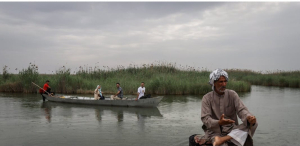
وفاة مواطن أحوازي في عمليات تنقيب النفط بهور الفلاحية وسلطات الاحتلال تتستر على الأسباب الحقيقية
أيلول/سبتمبر 24, 2025تتابع المنظمة الأحوازية لحقوق الإنسان بقلق بالغ الأوضاع المأساوية في هور الفلاحية بالأحواز، حيث تحوّلت هذه المنطقة البيئية الفريدة إلى ساحة لانتهاكات جسيمة بحق الإنسان والطبيعة، نتيجة مشاريع التنقيب النفطي التي تفرضها سلطات الاحتلال الإيراني دون أي مراعاة للمعايير الإنسانية أو البيئية.
وقد وثقت المصادر المحلية وفاة المواطن الأحوازي علیرضا جنامی (27 عاماً) أثناء عمله في إحدى الحفريات النفطية داخل الهور، في ظل ظروف عمل بالغة الخطورة، وانعدام لأبسط تدابير السلامة. ورغم خطورة الحادثة، حاولت سلطات الاحتلال التخفيف من مسؤوليتها بإصدار بيان رسمي يدّعي أن سبب الوفاة كان نتيجة التعرض لأشعة الشمس وارتفاع درجة الحرارة، في محاولة واضحة للتستر على الإهمال الجسيم، وعدم اتخاذ التدابير اللازمة لحماية حياة العمال.
إن استمرار عمليات التنقيب في هور الفلاحية يشكل تهديداً مباشراً لحياة العمال الأحوازيين، إضافةً إلى ما يسببه من تدمير ممنهج للبيئة والأهوار التي تعد شريان حياة أساسياً لسكان المنطقة.
تهجير قسري وتغيير ديمغرافي ممنهج
وفي سياق متصل، تحذّر المنظمة من سياسة التهجير القسري التي تنتهجها السلطات الإيرانية ضد السكان الأحوازيين في القرى المحيطة بهور الفلاحية، ضمن مخطط استخباراتي أمني يهدف إلى تغيير التركيبة السكانية في الأحواز. وقد أدى هذا المخطط حتى الآن إلى تهجير ما لا يقل عن عشرات الآلاف من سكان هذه القرى، عبر التضييق الاقتصادي، وإهمال البنية التحتية، وتحويل المناطق إلى مواقع عسكرية أو مشاريع تنقيب.
هذا التهجير القسري يشكل انتهاكاً صريحاً للقانون الدولي، وخصوصاً:
-
المادة 49 من اتفاقية جنيف الرابعة التي تنص على:
"لا يجوز للدولة المحتلة أن ترحّل أو تنقل جزءاً من سكانها المدنيين إلى الأراضي التي تحتلها." -
وكذلك المادة 7 (د) من نظام روما الأساسي للمحكمة الجنائية الدولية، والتي تُصنّف التهجير القسري على أساس عرقي أو قومي أو ديني كـ جريمة ضد الإنسانية.
بناءً عليه، تؤكد المنظمة الأحوازية لحقوق الإنسان على ما يلي:
-
إدانة سياسات الاحتلال الإيراني التي تعرض أرواح العمال الأحوازيين للخطر، وتستهدف البيئة والوجود الإنساني في هور الفلاحية.
-
المطالبة بفتح تحقيق دولي مستقل في ظروف وفاة المواطن عليرضا جنامی، وكشف المتورطين في الإهمال الوظيفي والجنائي.
-
الدعوة لوقف فوري لعمليات التنقيب النفطي في هور الفلاحية، لحين ضمان حقوق العمال، ووقف تدمير الأهوار.
-
رفض سياسة التهجير القسري لسكان القرى المجاورة للهور، ومطالبة الأمم المتحدة بإرسال لجنة لتقصي الحقائق بشأن التغييرات الديمغرافية القسرية في الأحواز.
-
تحميل سلطات الاحتلال المسؤولية الكاملة عن التدهور البيئي والإنساني في الأهوار الأحوازية.
إن هذه الجريمة تضاف إلى سجل طويل من الانتهاكات الممنهجة التي يتعرض لها الشعب الأحوازي تحت الاحتلال، وهو ما يستوجب تحركاً عاجلاً من المجتمع الدولي والمنظمات الحقوقية لحماية حياة المواطنين، ووقف الكوارث المتعمدة بحق الإنسان والبيئة في الأحواز.
المنظمة الأحوازية لحقوق الإنسان
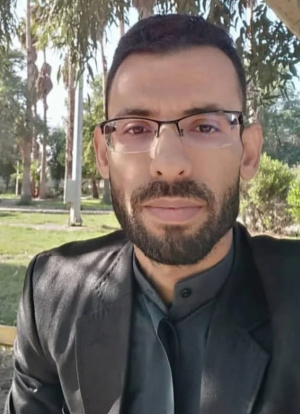
Youssef Sowari, prisonnier Ahwazi, nouvelle victime de la négligence médicale et des violations des droits humains dans les prisons iraniennes
أيلول/سبتمبر 24, 2025L’Organisation Ahwazi des droits de l’homme a exprimé sa vive condamnation de ce qu’elle a qualifié de « négligence médicale délibérée » et de « politiques répressives systématiques » exercées par les autorités iraniennes à l’encontre du prisonnier politique ahwazi Youssef Sowari, détenu à la prison de Sheiban dans la ville d’Ahvaz, la capitale.
Des sources fiables en droits de l’homme ont confirmé que l’état de santé de Sowari s’est gravement détérioré depuis le mardi 23 septembre 2025, suite à des crises aiguës et répétées de difficultés respiratoires. Les autorités pénitentiaires refusent de le transférer à l’hôpital pour recevoir les soins nécessaires, mettant ainsi sa vie en danger immédiat.
Torture systématique et arrestation arbitraire
Les services de sécurité et de renseignement iraniens ont arrêté Sowari le 8 novembre 2018, puis l’ont placé dans des cellules d’isolement appartenant aux renseignements à Ahvaz. Il a été soumis pendant plusieurs semaines à des tortures physiques et psychologiques sévères visant à lui extorquer des aveux forcés, en violation flagrante de toutes les normes humaines et des conventions internationales.
Dans un procès qualifié par l’organisation d’« absence totale de justice », le tribunal révolutionnaire iranien affilié au Corps des gardiens de la révolution islamique a condamné Sowari à 10 ans de prison pour des accusations fabriquées, notamment « collaboration avec les Ahwazis en exil » et « activité politique », des accusations fréquemment utilisées par les autorités iraniennes pour justifier leurs campagnes de répression contre les militants ahwazis.
L’Organisation : l’Iran viole le Pacte international
L’organisation a souligné dans son communiqué que ce que subit Youssef Sowari constitue une violation flagrante du Pacte international relatif aux droits civils et politiques, notamment des articles 7 et 10, dont l’article 7 stipule :
« Nul ne sera soumis à la torture ni à des peines ou traitements cruels, inhumains ou dégradants... »
L’article 10 du même pacte précise également :
« Tous les personnes privées de liberté doivent être traitées humainement et avec respect de la dignité inhérente à la personne humaine. »
Appel à une action urgente
En conclusion de son communiqué, l’Organisation Ahwazi des droits de l’homme a appelé les Nations unies et les organisations internationales compétentes, en particulier Amnesty International et Human Rights Watch, à faire pression sur le régime iranien pour la libération immédiate de Youssef Sowari et la fourniture de soins médicaux urgents, soulignant que la poursuite de sa détention dans ces conditions constitue un crime légal, moral et humanitaire.
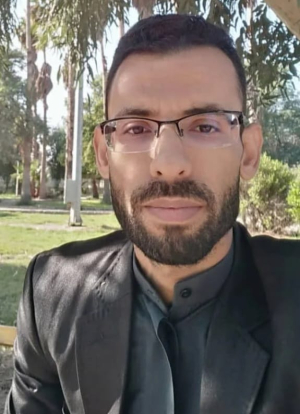
یوسف سواری ـ زندانى عرب أحوازي ـ قربانی جدید غفلت پزشکی و نقض حقوق بشر در زندانهای ایران است.
أيلول/سبتمبر 24, 2025سازمان أحوازي حقوق بشر به شدت اقداماتی را که آن را «غفلت پزشکی عمدی» و «سیاستهای سرکوبگرانه سازمانیافته» خوانده، محکوم کرد؛ اقداماتی که توسط مقامات ایران علیه زندانی سیاسی الاحوازی، یوسف سواری، که در زندان شیبان شهر احواز، مرکز استان، نگهداری میشود، انجام میگیرد.
منابع حقوق بشری معتبر تأیید کردند که وضعیت سلامت سواری از سهشنبه ۲۳ سپتامبر ۲۰۲۵ به شدت رو به وخامت گذاشته است، به دلیل حملات شدید و مکرر تنگی نفس، در حالی که مقامات زندان از انتقال او به بیمارستان برای دریافت درمان لازم خودداری میکنند، وضعیتی که جان او را در خطر جدی قرار داده است.
شکنجه سازمانیافته و بازداشت خودسرانه
سازمانهای امنیتی و اطلاعاتی ایران يوسف سواري را در تاریخ ۸ نوامبر ۲۰۱۸ بازداشت کردند و به سلولهای انفرادی اطلاعات در احواز منتقل نمودند، جایی که او برای هفتهها تحت شکنجه جسمی و روانی شدید قرار گرفت تا اعترافات اجباری از او گرفته شود، نقض آشکار تمامی اصول انسانی و معاهدات بینالمللی.
در دادگاهی که سازمان آن را فاقد کمترین استانداردهای عدالت دانسته است، دادگاه انقلاب ایران وابسته به سپاه پاسداران حکم به ۱۰ سال زندان او داد، با اتهامات ساختگی از جمله «همکاری با الاحوازیهای تبعیدی» و «فعالیت سیاسی»، اتهاماتی که مقامات ایران به طور مکرر علیه فعالان الاحوازی به منظور توجیه سرکوب به کار میبرند.
سازمان: ایران عهدنامه بینالمللی را نقض میکند
سازمان أحوازي در بیانیه خود تأکید کرد که آنچه بر یوسف سواری می گذرد ، نقض آشکار عهدنامه بینالمللی حقوق مدنی و سیاسی است، به ویژه مواد (۷) و (۱۰) آن، که ماده (۷) میگوید:
«هیچکس نباید به شکنجه یا مجازاتها یا رفتارهای بیرحمانه، غیرانسانی یا تحقیرآمیز محکوم شود...»
همچنین ماده (۱۰) همان عهدنامه مقرر میدارد:
«همه افراد محروم از آزادی باید با رفتاری انسانی که کرامت ذاتی انسان را محترم میشمارد، رفتار شوند.»
دعوت به اقدام فوری
در پایان بیانیه، سازمان أحوازي حقوق بشر از سازمان ملل متحد و سازمانهای بینالمللی مرتبط، به ویژه عفو بینالملل و دیدهبان حقوق بشر، خواست تا بر رژیم ایران فشار آورند تا یوسف سواری را فوراً آزاد کرده و مراقبت پزشکی فوری برای او فراهم کنند، و تأکید کرد که ادامه بازداشت او در این شرایط، یک جرم قانونی، اخلاقی و انسانی است.
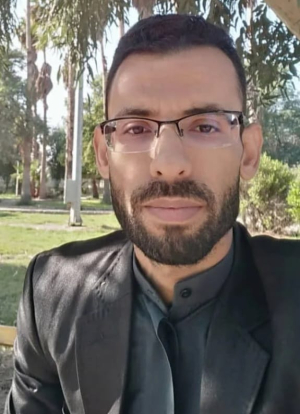
Der Ahwazi Youssef Sawary – ein weiteres Opfer medizinischer Vernachlässigung und Menschenrechtsverletzungen in iranischen Gefängnissen
أيلول/سبتمبر 24, 2025Die Ahwazische Menschenrechtsorganisation hat in einer offiziellen Stellungnahme ihre tiefe Besorgnis über die schwerwiegenden Menschenrechtsverletzungen geäußert, denen der politische Gefangene Youssef Sawary, ein arabischer Ahwazi, derzeit im Sheyban-Gefängnis in Ahwaz ausgesetzt ist. Insbesondere prangert die Organisation die vorsätzliche medizinische Vernachlässigung und die systematische Repression durch die iranischen Behörden an, welche das Leben des Gefangenen akut gefährden.
Zuverlässige Menschenrechtsquellen berichteten, dass sich Sawarys Gesundheitszustand seit dem 23. September 2025 drastisch verschlechtert hat. Der Gefangene leidet unter wiederholten schweren Atemnotanfällen, während die Gefängnisleitung die Überstellung in ein Krankenhaus kategorisch verweigert – ein Verhalten, das sein Leben ernsthaft in Gefahr bringt.
Systematische Folter und willkürliche Inhaftierung
Youssef Sawary wurde am 8. November 2018 von iranischen Sicherheits- und Geheimdienstkräften verhaftet und in die Einzelhaft der Geheimdiensteinheit in Ahwaz überführt. Dort wurde er wochenlang physisch und psychisch gefoltert, mit dem Ziel, erzwungene Geständnisse zu erlangen – ein grober Verstoß gegen internationale Rechtsstandards.
In einem Prozess, der laut der Ahwazischen Menschenrechtsorganisation jegliche Standards eines fairen Verfahrens vermissen ließ, wurde Al-Sari vom sogenannten Revolutionsgericht, das unter Kontrolle der Revolutionsgarden steht, zu zehn Jahren Haft verurteilt. Die Anklagen – darunter „Zusammenarbeit mit ahwazischen Gruppen im Exil“ und „politische Aktivitäten“ – gelten als konstruiert und dienen regelmäßig als Vorwand zur Kriminalisierung ahwazischer Aktivisten.
Verstoß gegen den Internationalen Pakt über bürgerliche und politische Rechte
Die Organisation betont, dass die Behandlung von Youssef Sawary einen klaren Verstoß gegen den Internationalen Pakt über bürgerliche und politische Rechte (IPBPR) darstellt, dem der Iran als Vertragsstaat beigetreten ist – insbesondere gegen Artikel 7 und 10:
-
Artikel 7: „Niemand darf der Folter oder grausamer, unmenschlicher oder erniedrigender Behandlung oder Strafe unterworfen werden.“
-
Artikel 10: „Alle Personen, denen die Freiheit entzogen wurde, sind mit Menschlichkeit und mit Achtung der dem Menschen innewohnenden Würde zu behandeln.“
Das Verhalten der iranischen Behörden widerspricht nicht nur diesen internationalen Verpflichtungen, sondern auch grundlegenden humanitären Prinzipien.
Aufruf zum sofortigen Handeln
Die Ahwazische Menschenrechtsorganisation ruft die Vereinten Nationen, alle zuständigen internationalen Menschenrechtsorganisationen – insbesondere Amnesty International und Human Rights Watch – sowie die internationale Gemeinschaft dazu auf, sofortigen Druck auf die Islamische Republik Iran auszuüben, um:
-
die unverzügliche Freilassung von Youssef Sawary zu erreichen,
-
eine dringende medizinische Versorgung sicherzustellen,
-
und eine unabhängige Untersuchung der Misshandlungen und der Haftbedingungen einzuleiten.
Die Fortsetzung seiner Inhaftierung unter den aktuellen Umständen stellt ein juristisches, ethisches und humanitäres Verbrechen dar und darf von der Weltgemeinschaft nicht unbeachtet bleiben.
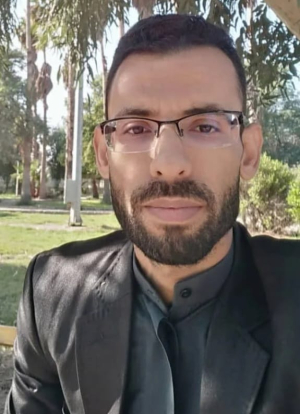
Ahwazi Yusef al-Saari: A New Victim of Medical Negligence and Human Rights Violations in Iran’s Prisons
أيلول/سبتمبر 23, 2025The Ahwazi Organization for Human Rights expressed its strong condemnation of what it described as “deliberate medical neglect” and “systematic repressive policies” carried out by the Iranian authorities against the Ahwazi political prisoner Yousef al-Saari, who is being held in Sheiban Prison in the capital city of Ahwaz.
Reliable human rights sources confirmed that al-Saari’s health condition has seriously deteriorated since Tuesday, September 23, 2025, as a result of severe and recurrent episodes of shortness of breath. Prison authorities have refused to transfer him to a hospital for necessary treatment, placing his life in imminent danger.
Systematic Torture and Arbitrary Detention
The Iranian security and intelligence services arrested al-Saari on November 8, 2018, transferring him to solitary confinement under the Intelligence Department in Ahwaz. He was subjected for weeks to severe physical and psychological torture aimed at extracting forced confessions, in blatant violation of all humanitarian norms and international conventions.
In a trial described by the organization as lacking the minimum standards of justice, the Iranian Revolutionary Court, under the authority of the Revolutionary Guard, sentenced him to 10 years in prison on fabricated charges, including “collaborating with Ahwazis in exile” and “engaging in political activity.” These charges are routinely used by Iranian authorities to justify crackdowns on Ahwazi activists.
Organization: Iran Violates the International Covenant
The organization stressed in its statement that what Yousef al-Saari is facing constitutes a clear violation of the International Covenant on Civil and Political Rights (ICCPR), particularly Articles (7) and (10):
• Article (7):
“No one shall be subjected to torture or to cruel, inhuman or degrading treatment or punishment.”
• Article (10):
“All persons deprived of their liberty shall be treated with humanity and with respect for the inherent dignity of the human person.”
Call for Urgent Action
In conclusion, the Ahwazi Organization for Human Rights called on the United Nations and relevant international organizations, foremost among them Amnesty International and Human Rights Watch, to pressure the Iranian regime for the immediate release of Yousef al-Saari and to ensure he receives urgent medical care. The organization stressed that his continued detention under such conditions constitutes a legal, moral, and humanitarian crime.
Hussain hazbavi
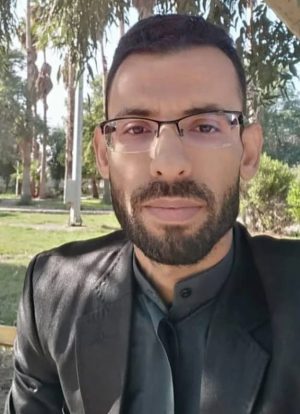
الأحوازي يوسف الساري ضحية جديدة للإهمال الطبي والانتهاكات الحقوقية في سجون إيران
أيلول/سبتمبر 23, 2025أعربت المنظمة الأحوازية لحقوق الإنسان عن إدانتها الشديدة لما وصفته بـ"الإهمال الطبي المتعمد" و"السياسات القمعية الممنهجة" التي تمارسها السلطات الإيرانية بحق السجين السياسي الأحوازي يوسف الساري، المحتجز في سجن شيبان بمدينة الأحواز العاصمة.
وأكدت مصادر حقوقية موثوقة، أن الحالة الصحية للساري شهدت تدهورًا خطيرًا منذ يوم الثلاثاء 23 سبتمبر 2025، نتيجة نوبات حادة ومتكررة من ضيق التنفس، في ظل رفض سلطات السجن نقله إلى المستشفى لتلقي العلاج اللازم، ما يضع حياته في خطر داهم.
تعذيب ممنهج واعتقال تعسفي
وكانت أجهزة الأمن والاستخبارات الإيرانية قد اعتقلت الساري بتاريخ 8 نوفمبر 2018، ونقلته إلى الزنازين الانفرادية التابعة للاستخبارات في الأحواز، حيث تعرض طيلة أسابيع لـتعذيب جسدي ونفسي قاسٍ، بهدف انتزاع اعترافات قسرية، في انتهاك صارخ لكافة الأعراف الإنسانية والاتفاقيات الدولية.
وفي محاكمة وصفتها المنظمة بأنها فاقدة لأدنى معايير العدالة، أصدرت محكمة الثورة الإيرانية التابعة لـالحرس الثوري حكمًا بسجنه لمدة 10 سنوات، بتهم مفبركة، من بينها "التعاون مع الأحوازيين في المنفى" و"ممارسة نشاط سياسي"، وهي تهم تستخدمها السلطات الإيرانية بشكل متكرر ضد الناشطين الأحوازيين لتبرير حملات القمع.
المنظمة: إيران تنتهك العهد الدولي
وشدّدت المنظمة في بيانها، أن ما يتعرض له يوسف الساري يشكل مخالفة صريحة للعهد الدولي الخاص بالحقوق المدنية والسياسية، وخاصة المادتين (7) و(10) منه، حيث تنص المادة (7) على:
"لا يجوز إخضاع أحد للتعذيب ولا للعقوبات أو المعاملات القاسية أو اللاإنسانية أو المهينة..."
كما تنص المادة (10) من العهد ذاته على:
"يعامل جميع المحرومين من حريتهم معاملة إنسانية تحترم الكرامة الأصيلة في الإنسان."
دعوة للتحرك العاجل
وفي ختام بيانها، دعت المنظمة الأحوازية لحقوق الإنسان الأمم المتحدة والمنظمات الدولية المعنية، وعلى رأسها منظمة العفو الدولية وهيومن رايتس ووتش، إلى الضغط على النظام الإيراني للإفراج الفوري عن يوسف الساري وتوفير الرعاية الطبية العاجلة له، مشددة على أن استمرار احتجازه في هذه الظروف يمثل جريمة قانونية وأخلاقية وإنسانية.
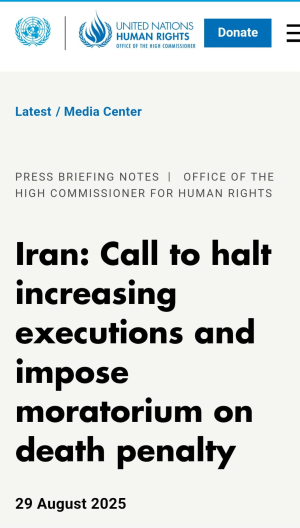
Iran : Appel à mettre fin à l’augmentation des exécutions et à instaurer un moratoire sur la peine de mort
أيلول/سبتمبر 18, 2025Porte-parole du Haut-Commissariat des Nations Unies aux droits de l’homme : Ravina Shamdasani
Lieu : Genève
Les autorités iraniennes ont exécuté au moins 841 personnes depuis le début de l’année et jusqu’au 28 août 2025, selon les informations recueillies par le Bureau des droits de l’homme des Nations Unies – ignorant ainsi de nombreux appels à rejoindre le mouvement mondial pour l’abolition de la peine de mort.
Rien qu’en juillet, les autorités iraniennes ont exécuté 110 personnes. Ce chiffre représente plus du double du nombre de personnes exécutées en juillet de l’année dernière et fait suite à une augmentation importante des exécutions au cours du premier semestre 2025. Ce nombre élevé d’exécutions indique un schéma systématique d’utilisation de la peine de mort comme outil d’intimidation de l’État, avec un ciblage disproportionné des minorités ethniques et des migrants.
Actuellement, 11 personnes sont confrontées à une exécution imminente : six d’entre elles sont accusées de « rébellion armée » en raison de leur appartenance présumée au groupe des Moudjahidines du peuple (MEK), et cinq autres en lien avec leur participation aux manifestations de 2022. Le 16 août 2025, la Cour suprême a confirmé la condamnation à mort de Sharifeh Mohammadi, militante pour les droits des travailleurs.
La peine de mort est incompatible avec le droit à la vie et inconciliable avec la dignité humaine. Elle crée un risque inacceptable d’exécuter des innocents. Elle ne devrait jamais être imposée pour des actes protégés par le droit international des droits de l’homme.
Nous appelons le Gouvernement iranien à ne pas appliquer la peine de mort à l’encontre de ces personnes ni d’aucune autre personne condamnée à mort.
Une fois encore, le Haut-Commissaire des Nations Unies aux droits de l’homme, Volker Türk, appelle l’Iran à instaurer un moratoire sur l’application de la peine capitale, en tant que première étape vers son abolition.
Pour plus d'informations et pour les demandes des médias, veuillez contacter :
Ravina Shamdasani: +41 22 917 9169 / عنوان البريد الإلكتروني هذا محمي من روبوتات السبام. يجب عليك تفعيل الجافاسكربت لرؤيته.
Marta Hurtado: + 41 22 917 9466 / عنوان البريد الإلكتروني هذا محمي من روبوتات السبام. يجب عليك تفعيل الجافاسكربت لرؤيته.
Thameen Al-Kheetan: +41 76 223 7762/ عنوان البريد الإلكتروني هذا محمي من روبوتات السبام. يجب عليك تفعيل الجافاسكربت لرؤيته.
Facebook unitednationshumanrights
Instagram @unitednationshumanrights