


56. Poor infrastructure in Alahwaz continues to contribute to the limited access to drinking water in many communities in the predominately Arab province
United Nations
A
/68/503
General Assembly
Distr.: General
4 October 2013
Original: English
13-50031 (E) 141013
*1350031*
Sixty-eighth session
Agenda item 69 (c)
Promotion and protection of human rights: human rights situations and reports of special rapporteurs
and representatives
Situation of human rights in the Islamic Republic of Iran
*
Note by the Secretary-General
The Secretary-General has the honour to transmit to the General Assembly the report of the Special Rapporteur on the situation of human rights in the Islamic Republic of Iran, Ahmed Shaheed, submitted in accordance with Human Rights
Council resolution
22/23
, in which the Council extended the mandate of the Special Rapporteur for the second time.
The present report does not detail all of the violations of human rights in the country reported to the Special Rapporteur, but does provide an overview of the prevailing human rights situation, with a focus on systemic issues that pose obstacles to the ability of the Islamic Republic of Iran to comply with its international human rights obligations.
_
B. Ahwazi Arabs
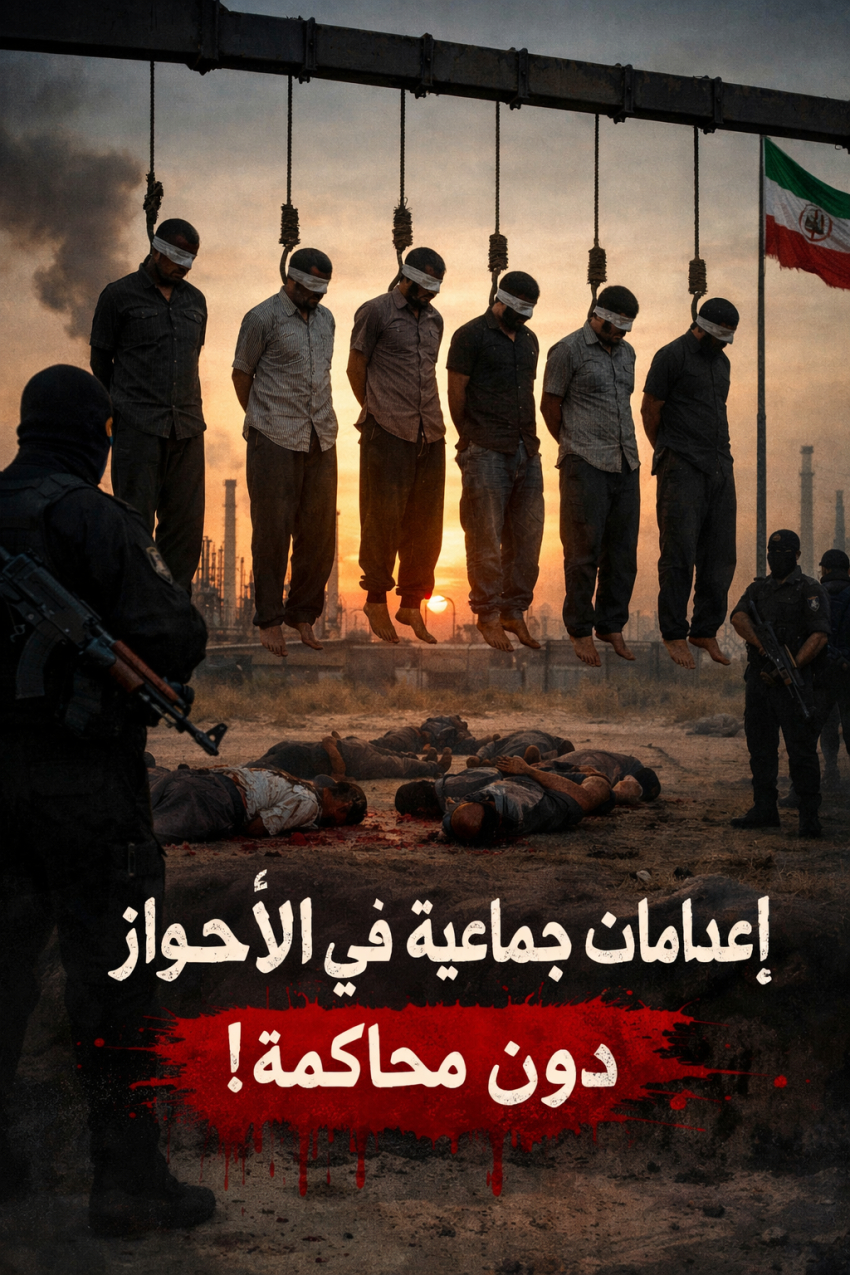
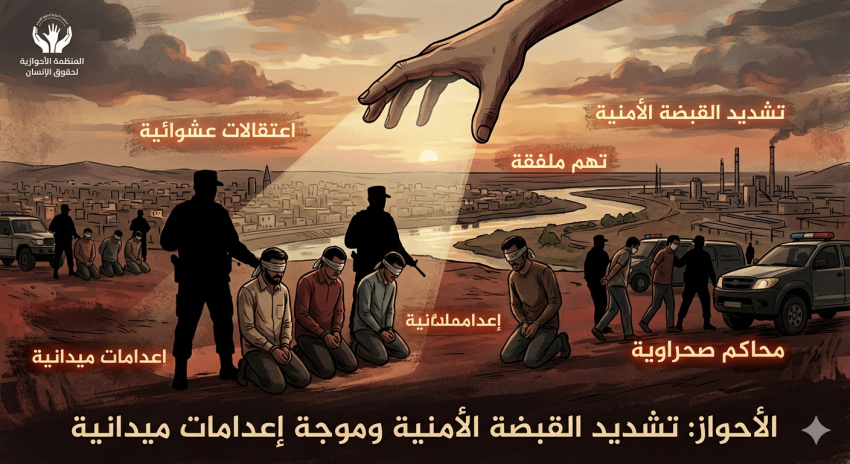
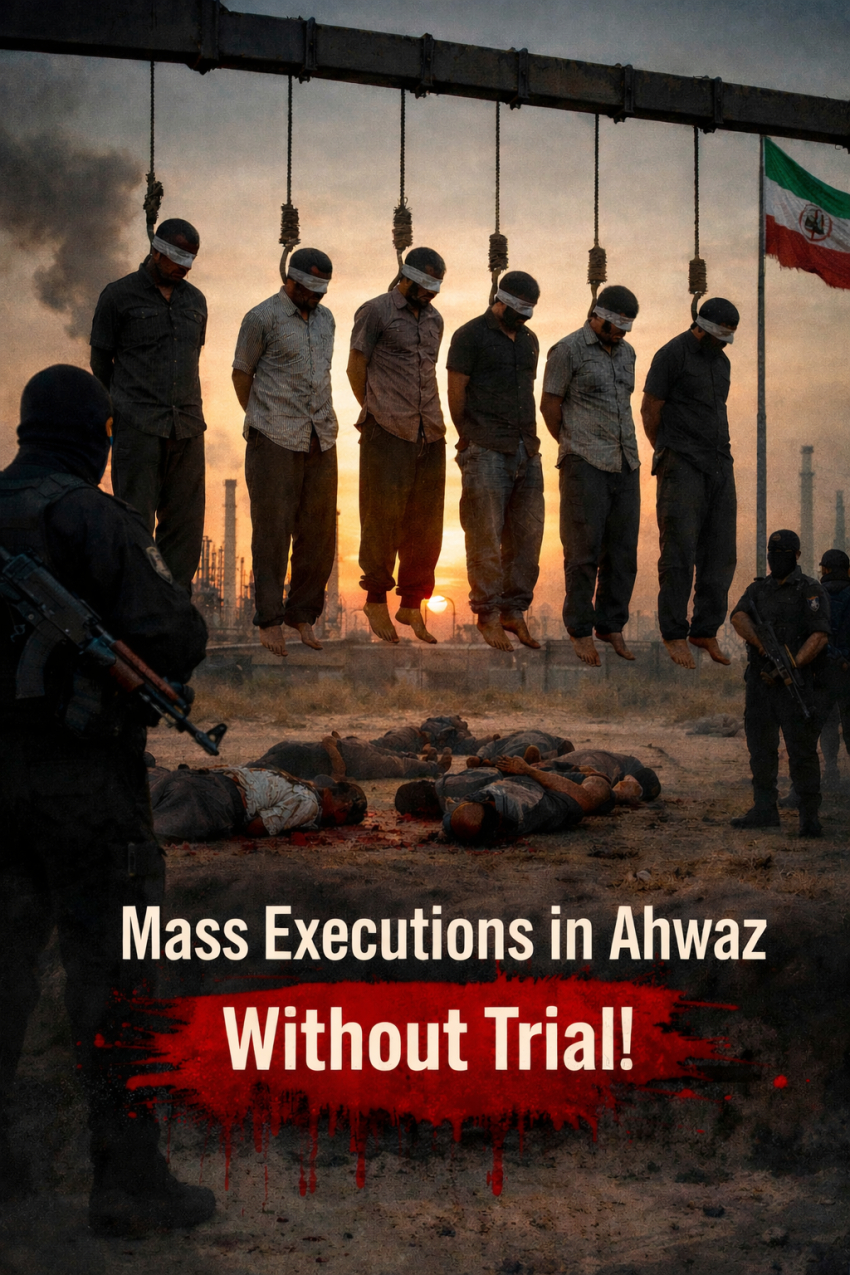
55. Despite international appeals, five cultural rights activists of the Ahwazi Arab community continue to face imminent execution after having been convicted of “gathering and colluding against State security”, “spreading propaganda against the system”, “enmity against God”, and “corruption on earth”. It has been widely reported that those individuals were tortured during interrogation and forced to issue confessions that were later used against them in connection with protests that took place in 2011 and 2012 across Khuzestan Province. The individuals reportedly engaged in a dry hunger strike in protest oftheir torture and mistreatment while in
prison. Four Iranian bankers and businessmen, including Mahafrid Amirkhosravi,reportedly remain on death row for “disturbing the country’s economic system through collusion and corruption in the banking network”.
56. Poor infrastructure in continues to contribute to the limited access to drinking water in many communities in the predominately Arab province. The Ahwaz water refineries, reportedly constructed to support a population of 4,000, currently serve 1.5 million people. It is reported that water in the area is sopoor that it is not usable for cleaning clothing; that Iranian officials representing the area have raised concern and called for action; and that residents have unknowingly ingested polluted water when the Ahwaz water and waste company failed to notify residents of its refinery closures or unsuccessful attempts to adequately filter water because of heavy rainfall. Persons interviewed for the present report maintained that the water in Ahwaz has a repugnant odour and is undrinkable, threatening health and for the past decade forcing residents with financial means to purchase drinkable water and those without means to risk drinking unsanitary water
http://shaheedoniran.org/wp-content/uploads/2013/10/N1350031.pdf
_________________