

Iran Executes Six Ahwazi Arabs After Unfair Trials: A Dangerous Escalation of Systematic Violations
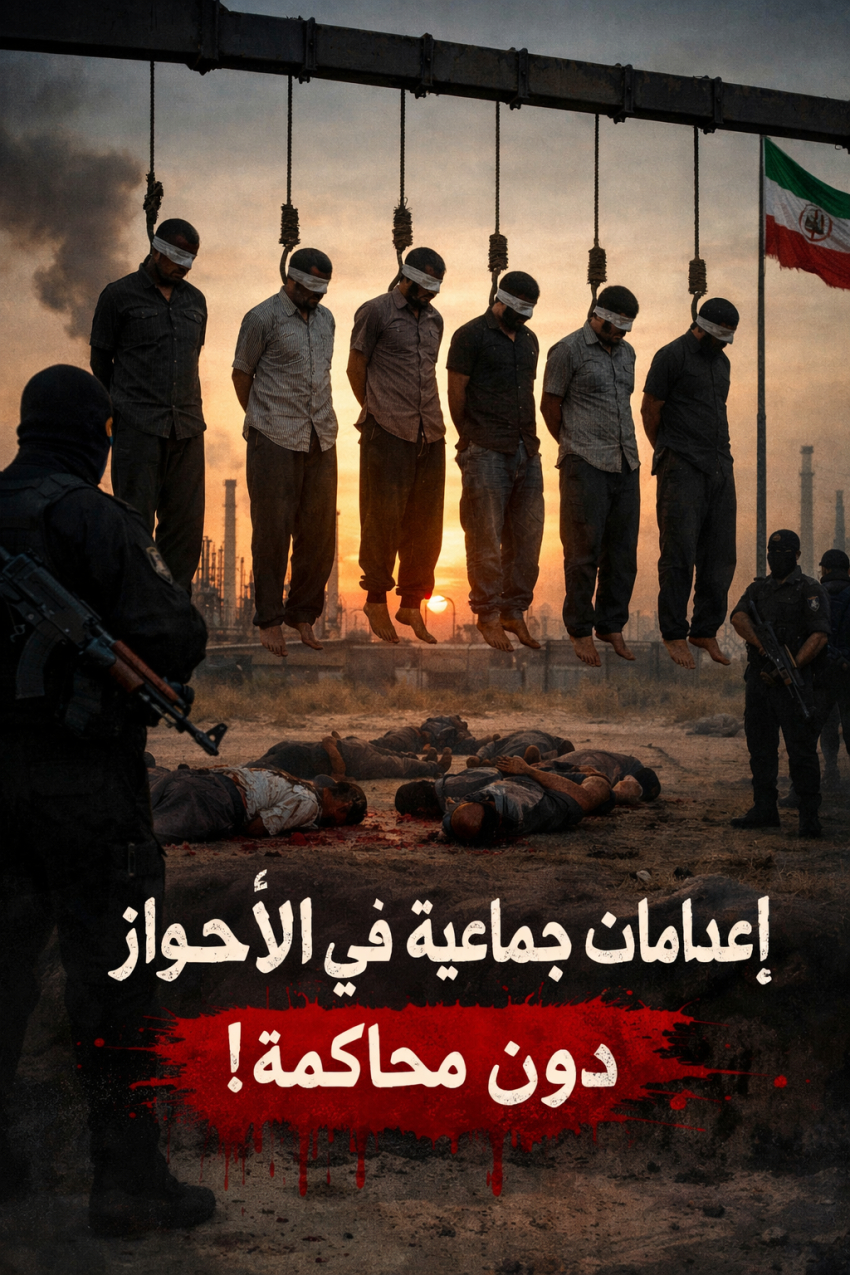
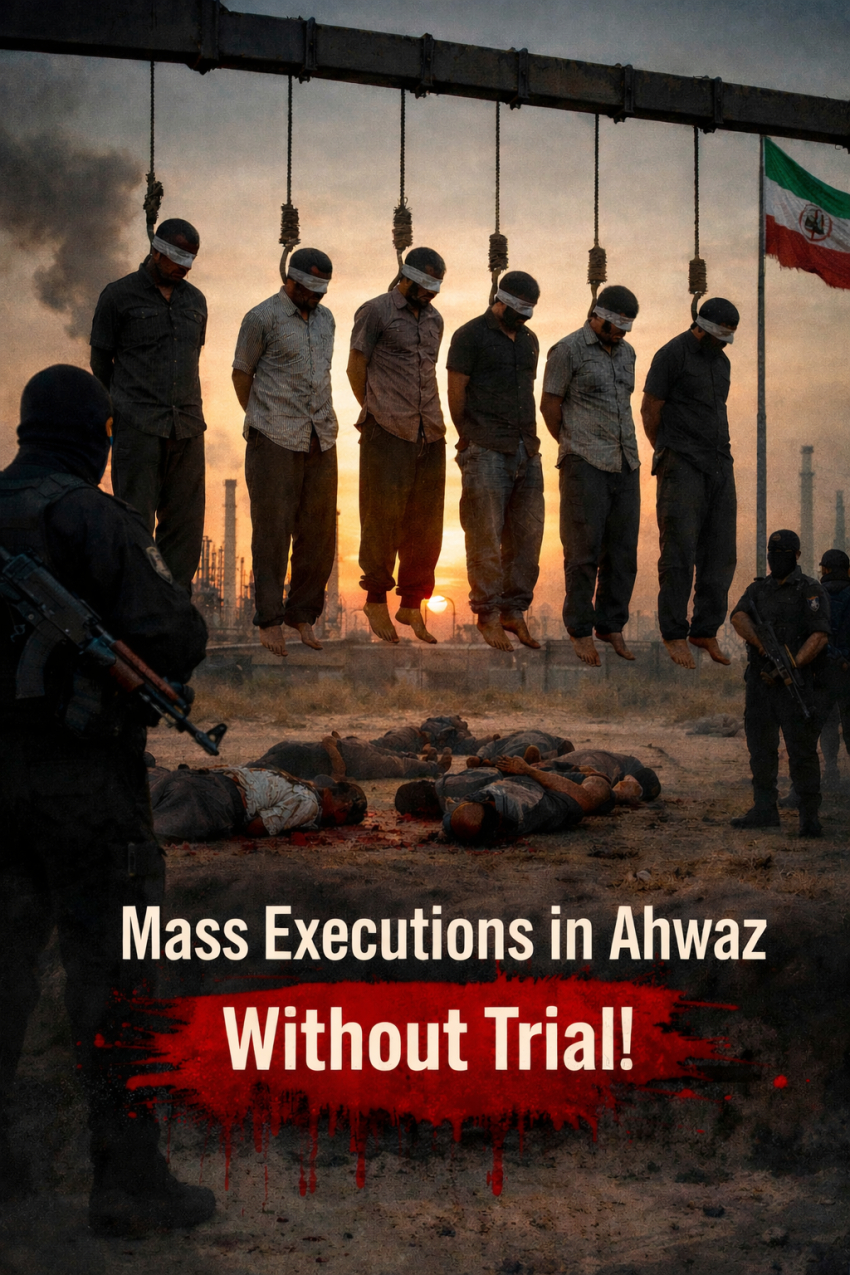
تشرين1/أكتوير 04, 2025The Alahwazi Organization for Human Rights strongly condemns the Iranian authorities’ execution, at dawn on Saturday, October 4, 2025, of six Ahwazi Arab citizens under circumstances marked by grave human rights violations and a complete absence of fair trial standards and due legal process.
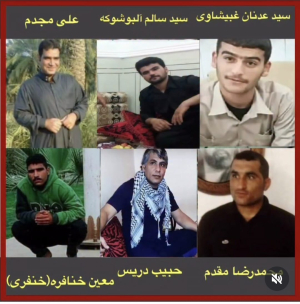
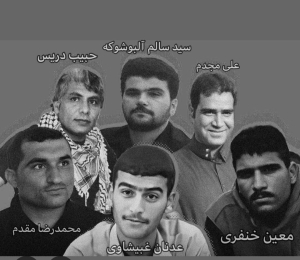
The executed individuals are:
1. Seyyed Adnan Ghabishawi
2. Mohammad Reza Moghaddam
3. Ali Mojaddam
4. Habib Drees
5. Moein Khanafari
6. Seyyed Salem Mousavi
Despite Human Rights and International Appeals
The executions were carried out despite urgent appeals from Ahwazi and international human rights organizations, including Amnesty International and the United Nations Human Rights Council, which called for an immediate halt to the executions and an independent review of the legal procedures involved.
The authorities’ disregard for these calls clearly demonstrates Iran’s contempt for its international obligations and its determination to continue its policy of repression with total impunity.
Amnesty International Report 1
Amnesty International Report 2
A Gross Violation of International Humanitarian Law
The organization reminds that these executions constitute a direct violation of Common Article 3 of the Four Geneva Conventions of 1949, which clearly states:
“The following acts are and shall remain prohibited: violence to life and person, in particular murder of all kinds, mutilation, cruel treatment and torture; passing of sentences and the carrying out of executions without previous judgment pronounced by a regularly constituted court affording all the judicial guarantees recognized as indispensable by civilized peoples.”
This article represents a peremptory norm of international law (Jus Cogens), meaning that any violation constitutes a crime that does not lapse with time and forms the basis for international criminal accountability.
Part of a Broader Pattern of Repression
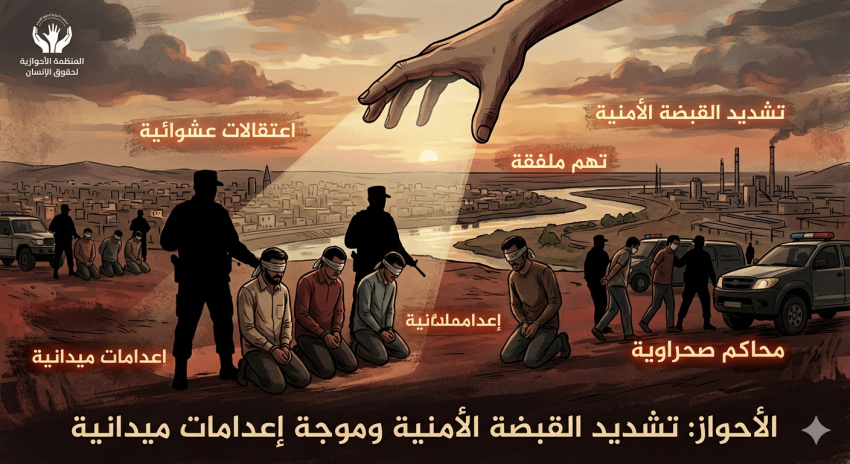
These executions are part of a wider pattern of systematic violations committed by the Iranian authorities against the Ahwazi Arab people, including:
• Use of execution as a tool of political intimidation
• Arbitrary arrests
• Systematic torture
• Suppression of freedom of expression and political activity
• Racial, linguistic, and cultural discrimination
Urgent Demands
The Alahwazi Organization for Human Rights calls for:
1. An independent international investigation into the circumstances of these executions and the fairness of the trials, under UN supervision.
2. Immediate intervention by relevant UN Special Rapporteurs, particularly those on extrajudicial executions, torture, and judicial independence.
3. The imposition of targeted sanctions on Iranian officials involved in serious human rights violations.
4. Documentation of these crimes by international human rights bodies as a step toward referral to competent international judicial authorities.
Conclusion
The Alahwazi Organization for Human Rights holds the Iranian authorities fully responsible for this crime and affirms that continued impunity and international silence only encourage further violations.
This crime will remain additional evidence of the systematic oppression faced by the Ahwazi Arab people in their legitimate struggle for freedom, justice, and dignity.
Alahwazi Organization for Human Rights
Hussain Hazbavi
Iran richtet sechs Mitglieder des Ahwazischen Volkes nach unfairen Gerichtsverfahren hin: Gefährliche Eskalation systematischer Menschenrechtsverletzungen
تشرين1/أكتوير 04, 2025Der Ahwazischer Verein für Menschenrechte e.V. verurteilt aufs Schärfste die Hinrichtung von sechs Ahwazischen Bürgern durch die iranischen Behörden
Der Ahwazischer Verein für Menschenrechte e.V. verurteilt aufs Schärfste die Hinrichtung von sechs Ahwazischen Bürgern(Süd und Südwest Iran), die am frühen Morgen des heutigen Samstags, den 4. Oktober 2025, von den iranischen Behörden vollstreckt wurde. Die Hinrichtungen erfolgten unter gravierenden Menschenrechtsverletzungen und in völliger Abwesenheit rechtsstaatlicher Verfahren und fairer Gerichtsverhandlungen.
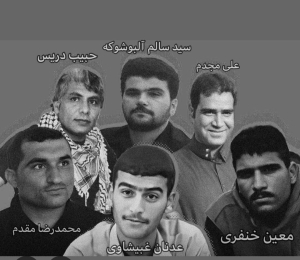
Die Hingerichteten sind:
-
Seyed Adnan Ghabishawi
-
Mohammad Reza Moghadam
-
Ali Mojaddam
-
Habib Dris
-
Moein Khanfari
-
Seyed Salem Mousavi
Trotz internationaler Appelle
Diese Hinrichtungen wurden durchgeführt, obwohl ahwazische und internationale Menschenrechtsorganisationen – darunter Amnesty International, der UN-Menschenrechtsrat und weitere – dringende Appelle zur Aussetzung der Urteile und zur Überprüfung der gerichtlichen Verfahren gerichtet hatten.
Die Missachtung dieser Appelle zeigt eindeutig die Missachtung der internationalen Verpflichtungen durch die iranischen Behörden und ihre Entschlossenheit, eine Politik der Repression fortzusetzen – ohne Rechenschaft abzulegen.
? Amnesty-Bericht (Arabisch)
? Amnesty-Bericht über Hinrichtungen ethnischer Minderheiten im Iran (EnglischEin klarer Verstoß gegen das humanitäre Völkerrecht
Der Verein erinnert daran, dass diese Hinrichtungen einen direkten Verstoß gegen Artikel 3 der vier Genfer Konventionen von 1949 darstellen. Dieser Artikel verbietet ausdrücklich:
„Gewalt gegen Leben und körperliche Unversehrtheit, insbesondere Mord in allen Formen, Verstümmelung, grausame Behandlung und Folter. Außerdem wird das Fällen von Urteilen und deren Vollstreckung ohne ein ordnungsgemäßes, international anerkanntes Gerichtsverfahren untersagt.“
Diese Vorschrift gehört zum zwingenden Völkerrecht (Jus Cogens), was bedeutet, dass Verstöße dagegen nicht verjähren und eine strafrechtliche Verfolgung auf internationaler Ebene rechtfertigen.
Systematische Repression gegen die Ahwazische Bevölkerung
Diese Hinrichtungen sind Teil eines umfassenden Musters von Menschenrechtsverletzungen, das die iranischen Behörden systematisch gegen die arabische Ahwazische Bevölkerung richten. Dazu gehören:
-
Einsatz der Todesstrafe als Mittel politischer Einschüchterung
-
Willkürliche Inhaftierungen
-
Systematische Folter
-
Unterdrückung der Meinungsfreiheit und politischen Aktivitäten
-
Ethnische, sprachliche und kulturelle Diskriminierung
Dringende Forderungen
Der Ahwazischer Verein für Menschenrechte e.V. ruft zu folgenden Maßnahmen auf:
-
Einleitung einer unabhängigen internationalen Untersuchung der jüngsten Hinrichtungen und der Gerichtsverfahren – unter Aufsicht der Vereinten Nationen.
-
Sofortiges Eingreifen der UN-Sonderberichterstatter, insbesondere derjenigen für außergerichtliche Hinrichtungen, Folter und Unabhängigkeit der Justiz.
-
Verhängung individueller Sanktionen gegen iranische Verantwortliche, die in schwere Menschenrechtsverletzungen verwickelt sind.
-
Dokumentation dieser Verbrechen durch internationale Organisationen zur Vorbereitung möglicher Verfahren vor internationalen Strafgerichtshöfen.
Schlusswort
Der Ahwazischer Verein für Menschenrechte e.V. macht die iranischen Behörden vollständig für dieses Verbrechen verantwortlich und betont, dass die anhaltende Straflosigkeit und das internationale Schweigen zur Wiederholung solcher Gräueltaten beitragen.
Diese Hinrichtungen sind ein weiterer Beweis für die systematische Unterdrückung, der das arabische Ahwazische Volk in seinem legitimen Streben nach Freiheit, Gerechtigkeit und Menschenwürde ausgesetzt ist.
-
إيران تُعدم ستة من أبناء الشعب الأحوازي بعد محاكمات غير عادلة: تصعيد خطير في الانتهاكات الممنهجة
تشرين1/أكتوير 04, 2025تعرب المنظمة الأحوازية لحقوق الإنسان عن إدانتها الشديدة لقيام السلطات الإيرانية، فجر اليوم السبت 4 أكتوبر 2025، بتنفيذ حكم الإعدام بحق ستة من المواطنين الأحوازيين، وذلك في ظروف تشوبها انتهاكات جسيمة لحقوق الإنسان، وفي غياب تام لشروط المحاكمة العادلة والإجراءات القانونية الواجبة.
المعدومون هم:
- سيد عدنان غبيشاوي
- محمد رضا مقدم
- علي مجدم
- حبيب دريس
- معين خنفري
- سيد سالم موسوي
رغم المناشدات الحقوقية والدولية
تجدر الإشارة إلى أن عمليات الإعدام قد نُفذت رغم المناشدات العاجلة التي أطلقتها منظمات حقوقية أحوازية ودولية منها منظمة العفو الدولية و مجلس حقوق الإنسان التابع للامم المتحدة و .... ، والتي دعت إلى وقف تنفيذ الأحكام، والتحقق من مدى قانونية الإجراءات القضائية المتبعة. إن تجاهل هذه النداءات يُعد مؤشرًا واضحًا على استهتار السلطات الإيرانية بالتزاماتها الدولية، وإصرارها على مواصلة سياسة القمع دون مساءلة.
https://www.amnesty.org/en/wp-content/uploads/sites/9/2023/05/MDE1367832023ARABIC.pdf
انتهاك صارخ للقانون الدولي الإنساني
تُذكر المنظمة بأن هذه الإعدامات تُشكّل انتهاكًا مباشرًا للمادة 3 المشتركة من اتفاقيات جنيف الأربع لعام 1949، والتي تنص بوضوح على:
"تحظر المادة 3 المشتركة الاعتداء على الحياة والسلامة البدنية، وخاصة القتل بجميع أنواعه، والتشويه، والمعاملة القاسية، والتعذيب، كما تحظر إصدار الأحكام وتنفيذ الإعدامات دون محاكمة تفي بالضمانات القضائية المعترف بها دولياً."
إن هذه المادة تُعد جزءًا من القواعد الآمرة في القانون الدولي (Jus Cogens)، ما يجعل أي انتهاك لها جريمة لا تسقط بالتقادم، وتُشكل أساسًا للمساءلة الجنائية الدولية.
و تندرج هذه الإعدامات في إطار نمط أوسع من الانتهاكات التي تمارسها السلطات الإيرانية ضد أبناء الشعب العربي الأحوازي، يشمل:
- الإعدام كوسيلة ترهيب سياسي
- الاعتقال التعسفي
- التعذيب الممنهج
- قمع حرية التعبير والعمل السياسي
- التمييز على أساس العرق واللغة والثقافة
مطالب عاجلة
تدعو المنظمة الأحوازية لحقوق الإنسان إلى:
- فتح تحقيق دولي مستقل في ملابسات الإعدامات الأخيرة وظروف المحاكمات، تحت إشراف الأمم المتحدة.
- تدخل فوري من المقررين الخاصين بالأمم المتحدة، لاسيما المعنيين بحالات الإعدام خارج نطاق القانون، والتعذيب، واستقلال القضاء.
- فرض عقوبات فردية على المسؤولين الإيرانيين المتورطين في الانتهاكات الجسيمة لحقوق الإنسان.
- توثيق هذه الجرائم من قبل المنظمات الدولية المعنية، تمهيدًا لإحالتها إلى جهات العدالة الدولية المختصة.
الختام
إن المنظمة الأحوازية لحقوق الإنسان تُحمّل السلطات الإيرانية كامل المسؤولية عن هذه الجريمة، وتؤكد أن استمرار الإفلات من العقاب والصمت الدولي يشجع على تكرار مثل هذه الانتهاكات.
وستبقى هذه الجريمة شاهدًا إضافيًا على الانتهاكات المنهجية التي يتعرض لها الشعب العربي الأحوازي في سعيه المشروع نحو الحرية والعدالة والكرامة.
المنظمة الأحوازية لحقوق الإنسان
Über 1000 Hinrichtungen im Iran seit Jahresbeginn vollstreckt
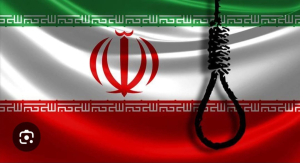
أيلول/سبتمبر 25, 2025Seit Beginn dieses Jahres hat der Iran einen drastischen Anstieg der Hinrichtungen verzeichnet. Laut vertrauenswürdigen Menschenrechtsberichten wurden bisher über 1000 Todesurteile vollstreckt. Allein in der vergangenen Woche wurden mindestens 64 Hinrichtungen durchgeführt – das entspricht fast neun pro Tag.
In der Provinz Ahwaz wurden allein in den letzten drei Tagen mindestens 10 Personen hingerichtet. Berichten zufolge gehören politische Aktivisten aus nicht-persischen Volksgruppen zu den Hauptbetroffenen dieser Hinrichtungen, gefolgt von kulturellen und religiösen Aktivisten.
Diese Hinrichtungswelle kommt zu einer Zeit, in der das Land mit zunehmenden inneren Spannungen konfrontiert ist – insbesondere nach dem zwölf Tage andauernden Krieg zwischen Iran und Israel. Die Behörden in Teheran nutzten diesen Konflikt, um ihre Sicherheitsmaßnahmen zu verschärfen, insbesondere in Regionen, die von nicht-persischen Bevölkerungsgruppen bewohnt werden. Beobachter meinen, dass das iranische Regime diesen Krieg als Vorwand benutzt hat, um seine sicherheitspolitische Kontrolle nicht nur über diese Minderheiten, sondern auch über die persische Bevölkerung zu verstärken.
Trotz der hohen gemeldeten Zahlen betonen Menschenrechtsaktivisten, dass die tatsächliche Zahl der Hinrichtungen weit über den offiziellen Angaben liegt, da es an Medienberichterstattung und Transparenz in Justiz und Gefängnissen mangelt. Der Iran steht weltweit an erster Stelle auf der schwarzen Liste der Länder mit den meisten Hinrichtungen. Auch gemessen an der Bevölkerung hat der Iran die höchste Hinrichtungsrate weltweit und liegt insgesamt an zweiter Stelle nach China – obwohl China über 1,4 Milliarden Einwohner hat, ist die Quote im Iran wesentlich tödlicher und erschreckender.
Während nicht-persische Volksgruppen das Regime beschuldigen, den Drogenhandel in ihren Regionen zu fördern, setzt die Regierung weiterhin Todesurteile gegen mutmaßliche Drogenschmuggler um. Aktivisten sehen darin einen Vorwand zur Ausschaltung politischer und gesellschaftlicher Gegner unter dem Deckmantel des Gesetzes.
Menschenrechtsaktivisten aus Ahwaz meinen, dass die Bezeichnung des Iran als „Republik der Hinrichtungen“ keine Metapher mehr sei, sondern eine bittere Realität widerspiegele – aufgrund des systematischen Einsatzes der Todesstrafe als politisches und sicherheitspolitisches Unterdrückungsmittel.
اجرای بیش از ۱۰۰۰ حکم اعدام در ایران از آغاز سال جاری تاكنون
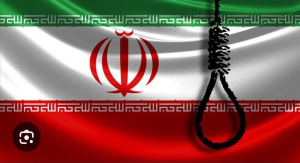
أيلول/سبتمبر 25, 2025از آغاز سال جاری، ایران شاهد افزایش شدید در تعداد اعدامها بوده است؛ بهطوریکه طبق گزارشهای معتبر حقوق بشری، تاکنون بیش از ۱۰۰۰ حکم اعدام اجرا شده است. تنها در هفته گذشته، دستکم ۶۴ نفر اعدام شدند که بهطور میانگین نزدیک به ۹ اعدام در روز میرسد.
در احواز، تنها در سه روز گذشته دستکم ۱۰ نفر اعدام شدهاند. گزارشها حاکی از آن است که فعالان سیاسی از میان ملتهای غیرفارس، در صدر فهرست اعدامیها قرار دارند و پس از آنها فعالان فرهنگی و مذهبی هدف قرار گرفتهاند.
این موج اعدامها در حالی رخ میدهد که کشور با تنشهای داخلی فزایندهای روبهرو است؛ بهویژه پس از جنگ دوازدهروزه ایران و اسرائیل، که حکومت تهران از آن بهعنوان بهانهای برای تشدید کنترل امنیتی، بهویژه در مناطق سکونت ملتهای غیرفارس، استفاده کرده است. ناظران معتقدند رژیم ایران از این جنگ بهعنوان پوششی برای گسترش تسلط امنیتی خود نهتنها بر این مليتهاى غير فارس بلکه حتى بر فارسزبان ساكنان استانهاى مركزى نیز بهرهبرداری کرده است.
با وجود اعلام آمار بالا، فعالان حقوق بشر تأکید دارند که تعداد واقعی اعدامها بسیار بیشتر از آمار رسمی است، زیرا سانسور رسانهای و نبود شفافیت در نهادهای قضایی و زندانهای ایران مانع از اطلاعرسانی دقیق میشود. ایران در صدر فهرست سیاه کشورهای دارای بیشترین اجرای احکام اعدام در جهان قرار دارد. همچنین ایران با توجه به جمعیتش، دارای بالاترین نرخ اعدام در دنیاست و از نظر تعداد کلی، پس از چین در رتبه دوم قرار دارد، در حالی که جمعیت چین بیش از ۱ میلیارد و ۴۰۰ میلیون نفر است، که این موضوع نرخ اعدام در ایران را بهمراتب مرگبارتر و نگرانکنندهتر میسازد.
در حالی که ملتهای غیرفارس، حکومت را به ترویج مواد مخدر در مناطق خود متهم میکنند، مقامات همچنان به صدور و اجرای احکام اعدام برای متهمان به قاچاق مواد مخدر ادامه میدهند؛ احکامی که فعالان و حقوقدانان آن را بهانهای برای حذف مخالفان سیاسی و اجتماعی تحت پوشش قانون میدانند.
فعالان حقوق بشر احوازی بر این باورند که توصیف ایران بهعنوان «جمهوری اعدام» دیگر یک استعاره نیست، بلکه بازتابی تلخ از واقعیتی است که در آن، رژیم ایران از مجازات اعدام بهطور سیستماتیک بهعنوان ابزار سرکوب سیاسی و امنیتی استفاده میکند.
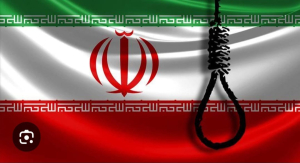
Exécution de plus de 1000 peines de mort en Iran depuis le début de l'année
أيلول/سبتمبر 25, 2025Depuis le début de l'année, l'Iran a connu une forte augmentation du nombre d'exécutions, avec plus de 1000 peines capitales appliquées jusqu'à présent, selon des rapports fiables en matière de droits humains. Rien que la semaine dernière, au moins 64 exécutions ont eu lieu, soit une moyenne de près de neuf par jour.
Dans la province du Al-Ahwaz (Ahwaz), au moins 10 personnes ont été exécutées au cours des trois derniers jours seulement. Des rapports indiquent que les militants politiques issus des minorités non persanes sont les plus touchés par ces exécutions, suivis par des activistes culturels et religieux.
Cette vague d’exécutions intervient dans un contexte de tensions internes croissantes, notamment après la guerre de douze jours entre l’Iran et Israël. Les autorités de Téhéran ont profité de ce conflit pour renforcer leur emprise sécuritaire, en particulier dans les régions habitées par des minorités non persanes. Selon des observateurs, le régime iranien a utilisé cette guerre comme prétexte pour étendre son contrôle sécuritaire non seulement sur ces minorités, mais aussi sur la société persane elle-même.
Malgré l’ampleur des chiffres publiés, des militants des droits de l’homme affirment que le nombre réel d’exécutions est bien plus élevé que les chiffres officiels, en raison de la censure médiatique et du manque de transparence dans le système judiciaire et carcéral iranien. L’Iran est en tête de la liste noire des pays qui exécutent le plus au monde. Il est également le premier pays en termes d'exécutions par habitant, et le deuxième en nombre total après la Chine, bien que la population chinoise dépasse 1,4 milliard, ce qui rend le taux iranien beaucoup plus élevé et alarmant.
Alors que les peuples non persans accusent le régime de promouvoir le trafic de drogue dans leurs régions, les autorités continuent d’émettre et d’exécuter des peines de mort contre des accusés de trafic de drogue. Des militants estiment que ces affaires servent de prétexte à l’élimination d’opposants politiques et sociaux sous couvert de légalité.
Des défenseurs des droits humains d’Ahvaz estiment que qualifier l’Iran de "République de l’exécution" n’est plus une métaphore, mais bien une réalité amère qui reflète l’usage systématique de la peine de mort comme outil de répression politique et sécuritaire.
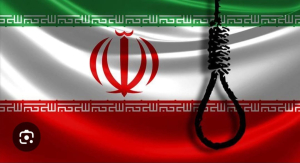
More than 1,000 Executions Carried Out in Iran Since the Beginning of This Year
أيلول/سبتمبر 25, 2025Since the start of this year, Iran has witnessed a sharp rise in the number of executions, with more than 1,000 death sentences carried out so far, according to credible human rights reports. In the past week alone, at least 64 executions took place, averaging nearly nine per day.
In Ahwaz, at least 10 people were executed over just the past three days. Human rights reports indicate that political activists from non-Persian nations top the list of those executed, followed by activists in cultural and religious fields.
This wave of executions comes at a time of mounting internal tension in the country, especially after the twelve-day war between Iran and Israel, which the authorities in Tehran exploited to tighten security control particularly in regions inhabited by non-Persian peoples. Observers believe the Iranian regime found in that war a pretext to strengthen its security grip not only over these peoples, but also over Persian society itself.
Despite the staggering figures announced, human rights activists affirm that the real number of executions is much higher than official statistics, due to media censorship and the lack of transparency in Iran’s judiciary and prison system. Iran tops the blacklist of countries with the highest number of executions worldwide. It also ranks first globally in executions per capita, and second in total numbers after China even though China’s population exceeds 1.416 billion, making Iran’s execution rate far deadlier and more impactful.
While non-Persian nations accuse the ruling regime of promoting drug trafficking within their regions, the authorities continue to issue and enforce death sentences against individuals accused of drug-related crimes. Human rights defenders consider these cases a pretext to eliminate political and social opponents under the guise of law.
Ahwazi human rights activists argue that describing Iran as the “Republic of Executions” is no longer metaphorical, but rather reflects a grim reality that sets Iran apart globally, given its systematic use of capital punishment as a tool of political and security intimidation.
Hussain Hazbavi
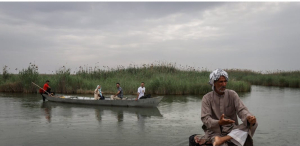
مقامات ايراني دلایل واقعی مرگ یک شهروند احوازی در جریان عملیات حفاری نفت در هور الفلاحیه/شادگان را پنهان میکنند
أيلول/سبتمبر 25, 2025سازمان أحوازى حقوق بشر با نگرانی شدید وضعیت فاجعهبار هور الفلاحیه در احواز را دنبال میکند؛ جایی که این منطقه زیستمحیطی منحصربهفرد به عرصهای برای نقضهای جدی علیه انسان و طبیعت تبدیل شده است، نتیجه پروژههای حفاری نفتیای که از سوی مقامات اشغالگر ایرانی بدون هیچ توجهی به معیارهای انسانی یا محیطزیستی اعمال میشود.
منابع محلی گزارش دادهاند که شهروند احوازی علیرضا جنامی (۲۷ ساله) در حین کار در یکی از پروژههای حفاری نفتی در داخل هور، جان خود را از دست داده است؛ در شرایط کاری بسیار خطرناک و بدون رعایت حداقل تدابیر ایمنی. با وجود شدت حادثه، مقامات اشغالگر تلاش کردند با انتشار بیانیهای رسمی که ادعا میکرد علت مرگ، گرمازدگی و تابش مستقیم آفتاب بوده است، مسئولیت خود را کاهش دهند؛ این اقدامی آشکار برای سرپوش گذاشتن بر سهلانگاری و عدم اتخاذ تدابیر لازم برای حفاظت از جان کارگران است.
ادامه حفاریها در هور الفلاحیه تهدیدی مستقیم برای جان کارگران احوازی به شمار میرود و همچنین منجر به نابودی سیستماتیک محیط زیست و تالابهایی میشود که شریان حیاتی ساکنان منطقه هستند
مهاجرت اجباری و تغییر سیستماتیک جمعیتی
در همین راستا، سازمان نسبت به سیاست مهاجرت اجباری که از سوی مقامات ایرانی علیه ساکنان احوازی روستاهای اطراف هور الفلاحیه اعمال میشود هشدار میدهد. این سیاست در چارچوب طرحی امنیتی-اطلاعاتی با هدف تغییر بافت جمعیتی احواز اجرا میشود. تا کنون این طرح به کوچ اجباری دستکم دهها هزار نفر از ساکنان این روستاها منجر شده، از طریق فشارهای اقتصادی، نادیده گرفتن زیرساختها و تبدیل مناطق به پایگاههای نظامی یا پروژههای حفاری.
این کوچ اجباری نقض آشکار قوانین بینالمللی محسوب میشود، به ویژه:
-
ماده ۴۹ کنوانسیون چهارم ژنو که میگوید:
«قدرت اشغالگر نباید بخشی از جمعیت غیرنظامی خود را به سرزمینهای اشغالی منتقل یا کوچ دهد.» -
ماده ۷ (بند د) اساسنامه رم دادگاه کیفری بینالمللی که کوچ اجباری به دلایل قومی، نژادی یا دینی را جنایت علیه بشریت محسوب میکند.
بر این اساس، سازمان حقوق بشر احوازی تأکید میکند:
-
محکومیت سیاستهای اشغالگرانه رژیم ایران که جان کارگران احوازی را به خطر میاندازد و طبیعت و حضور انسانی را در هور الفلاحیه هدف قرار میدهد.
-
درخواست برای آغاز تحقیقات بینالمللی مستقل در مورد شرایط مرگ علیرضا جنامی و افشای مسئولان سهلانگاری اداری و کیفری.
-
درخواست توقف فوری عملیات حفاری نفتی در هور الفلاحیه تا زمان تضمین حقوق کارگران و پایان دادن به تخریب تالابها.
-
رد کامل سیاست کوچ اجباری ساکنان روستاهای اطراف هور و درخواست از سازمان ملل برای اعزام کمیته حقیقتیاب جهت بررسی تغییرات جمعیتی اجباری در احواز.
-
مسئول دانستن کامل مقامات اشغالگر بابت وخامت اوضاع انسانی و زیستمحیطی در تالابهای احوازی.
این جنایت، به فهرست بلندبالای نقضهای سازمانیافتهای که مردم احواز تحت اشغالگری متحمل میشوند اضافه میشود و نیازمند اقدام فوری جامعه جهانی و نهادهای حقوق بشری برای حفاظت از جان مردم و پایان دادن به فجایع عمدی علیه انسان و طبیعت در احواز است.
سازمان أحوازى حقوق بشر
-
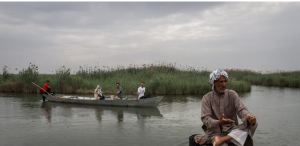
Décès d’un citoyen ahwazien lors des opérations de forage pétrolier dans le marais d'Al-Falahiya, les autorités d’occupation dissimulent les véritables causes
أيلول/سبتمبر 25, 2025L’Organisation Al-Ahwazienne des Droits de l’Homme suit avec une profonde inquiétude la situation tragique dans le marais d'Al-Falahiya en Al-Ahwaz, où cette zone écologique unique est devenue le théâtre de graves violations contre l’homme et la nature, en raison des projets d’exploration pétrolière imposés par les autorités de l’occupation iranienne, sans aucun respect des normes humanitaires ou environnementales.
Des sources locales ont documenté le décès du citoyen ahwazien Alireza Janami (27 ans) alors qu’il travaillait dans l’un des chantiers de forage pétrolier dans le marais, dans des conditions de travail extrêmement dangereuses et sans les mesures de sécurité les plus élémentaires. Malgré la gravité de l’incident, les autorités d’occupation ont tenté d’atténuer leur responsabilité en publiant une déclaration officielle affirmant que la mort était due à l’exposition au soleil et à la chaleur, dans une tentative claire de dissimuler une négligence flagrante et l'absence de mesures de protection.
La poursuite des opérations de forage dans le marais d’Al-Falahiya représente une menace directe pour la vie des travailleurs ahwaziens, en plus de la destruction systématique de l’environnement et des marais, qui constituent une source vitale pour les habitants de la région.
Déplacement forcé et changement démographique systématique
Dans ce contexte, l’Organisation met en garde contre la politique de déplacement forcé menée par les autorités iraniennes contre les habitants ahwaziens des villages entourant le marais, dans le cadre d’un plan sécuritaire et de renseignement visant à modifier la composition démographique de la région d’Al-Ahwaz. Ce plan a déjà conduit à l’expulsion d’au moins plusieurs dizaines de milliers d’habitants, par le biais de pressions économiques, du délaissement des infrastructures, et de la transformation des zones en sites militaires ou en projets d’exploration.
Ce déplacement forcé constitue une violation flagrante du droit international, notamment :
-
L’article 49 de la Quatrième Convention de Genève, qui stipule :
"La puissance occupante ne peut pas déporter ou transférer une partie de sa propre population civile dans le territoire qu'elle occupe." -
L’article 7 (d) du Statut de Rome de la Cour pénale internationale, qui considère le déplacement forcé sur la base de l’ethnie, de la nationalité ou de la religion comme un crime contre l’humanité.
Par conséquent, l’Organisation Al-Ahwazienne des Droits de l’Homme affirme :
-
La condamnation des politiques de l’occupation iranienne mettant en danger la vie des travailleurs ahwaziens et menaçant l’environnement et la présence humaine dans le marais d’Al-Falahiya.
-
La demande d’ouverture d’une enquête internationale indépendante sur les circonstances de la mort d’Alireza Janami, et l'identification des responsables de cette négligence.
-
Un appel à l’arrêt immédiat des opérations d’exploration pétrolière dans le marais d’Al-Falahiya, jusqu’à ce que les droits des travailleurs soient garantis et que la destruction de l’écosystème cesse.
-
Le refus de la politique de déplacement forcé des habitants des villages voisins du marais, et une demande à l’ONU d’envoyer une mission d’enquête sur les changements démographiques forcés à Al-Ahwaz.
-
Le rejet total de la responsabilité sur les autorités d’occupation quant à la détérioration humaine et environnementale dans les marais d’Al-Ahwaz
Ce crime s’ajoute à une longue liste de violations systématiques subies par le peuple ahwazien sous l’occupation iranienne. Il est donc urgent que la communauté internationale et les organisations de défense des droits de l’homme interviennent pour protéger les citoyens et mettre fin aux catastrophes délibérées contre l’homme et la nature à Al-Ahwaz.
-
Organisation Al-Ahwazienne des Droits de l’Homme
-
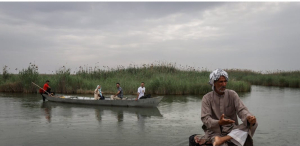
Death of an Ahwazi Citizen in Oil Exploration Operations in Hor al-Falahiyah, Amid Occupying Authorities’ Cover-up of the Real Causes
أيلول/سبتمبر 25, 2025The Alahwazi Organization for Human Rights is following with deep concern the tragic situation in Hor al-Falahiyah in Ahwaz, where this unique ecological area has turned into a site of grave violations against both people and nature. This is a direct result of the oil exploration projects imposed by the Iranian occupying authorities without any regard for human or environmental standards.
Local sources documented the death of the Ahwazi citizen Alireza Janami (27 years old) while working in one of the oil drilling sites inside the marsh. He had been subjected to extremely dangerous working conditions, with no basic safety measures in place. Despite the seriousness of the incident, the occupying authorities attempted to downplay their responsibility by issuing an official statement claiming that the cause of death was exposure to sunlight and high temperatures a clear attempt to cover up gross negligence and the failure to take necessary measures to protect workers’ lives.
The continuation of oil exploration in Hor al-Falahiyah poses a direct threat to the lives of Ahwazi workers, in addition to causing systematic destruction of the environment and marshlands, which constitute a vital lifeline for the region’s inhabitants.
Forced Displacement and Systematic Demographic Change
In this context, the organization warns of the policy of forced displacement pursued by the Iranian authorities against Ahwazi residents of villages surrounding Hor al-Falahiyah. This is part of an intelligence and security plan aimed at changing the demographic composition of Ahwaz. So far, this plan has led to the displacement of tens of thousands of villagers through economic strangulation, neglect of infrastructure, and the transformation of their areas into military zones or oil projects.
This forced displacement represents a blatant violation of international law, particularly:
• Article 49 of the Fourth Geneva Convention, which states:
“The Occupying Power shall not deport or transfer parts of its own civilian population into the territory it occupies.”
• Article 7(d) of the Rome Statute of the International Criminal Court, which classifies forced displacement on ethnic, national, or religious grounds as a crime against humanity.
Accordingly, the Ahwazi Organization for Human Rights affirms the following:
1. Condemnation of the Iranian occupation policies that endanger the lives of Ahwazi workers and target both the environment and human existence in Hor al-Falahiyah.
2. The demand for an independent international investigation into the circumstances surrounding the death of Alireza Janami, and for accountability of those responsible for professional and criminal negligence.
3. The call for the immediate suspension of oil exploration in Hor al-Falahiyah until workers’ rights are guaranteed and the destruction of the marshlands is halted.
4. Rejection of the policy of forced displacement of villagers around the marsh, and a demand for the United Nations to send a fact-finding mission regarding the forced demographic changes in Ahwaz.
5. Holding the occupying authorities fully responsible for the environmental and humanitarian deterioration in the Ahwazi marshlands.
This crime is yet another addition to the long record of systematic violations suffered by the Ahwazi people under occupation. It requires urgent action from the international community and human rights organizations to protect the lives of citizens and stop the deliberate catastrophes targeting both human beings and the environment in Ahwaz.
Alahwazi Organization for Human Rights
Hussain Hazbavi