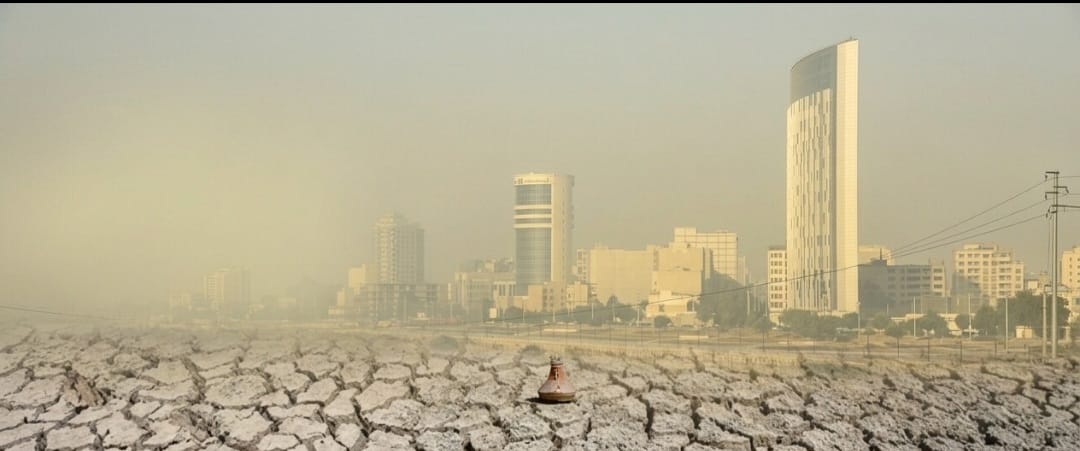
While the seasons of the year constitute a natural cycle for the renewal of life, autumn arrives in Ahwaz laden with dry spells and suffocating dust storms that obscure the sky and cover cities and rural areas with clouds of toxic dust. These dense storms currently experienced across Ahwazi geography are not merely transient climate fluctuations; rather, they are the direct and critical result of more than three decades of systematic water theft, the draining of the marshes, the monopolization of river waters behind dams, and the diversion of their flow outside the borders of Ahwaz.
Air and water resources in Ahwaz have been transformed from basic elements of life into tools of ecocide and the direct, systematic destruction of the essential conditions for the survival of Ahwazi citizens on their ancestral land. The imposition of these harsh environmental conditions constitutes a deliberate infliction on the population of conditions of life calculated to bring about the destruction of their physical and health integrity and to deprive them of their historical resources. Consequently, current water policies transcend mere environmental neglect to reach the level of a full-fledged legal crime, as confirmed by data and official admissions issued by state institutions themselves.
First: Iranian Official Admissions and Statements Regarding the Disaster
The evidence is not limited to independent field reports, but is supported and reinforced by official statements published by Iranian media and government bodies:
1. Official Admission of Air Pollution and Desertification (ISNA Document):
In an official statement to the Iranian Students’ News Agency (ISNA), the Public Relations Officer of the Department of Environment in the region (Mahdi Moussavi) acknowledged that data from the ‘National Air Quality Monitoring System’ recorded several Ahwazi cities entering the danger zone, ‘unhealthy’ conditions, and the red status. According to the report, harmful fine particulate matter (PM₂.₅) concentrations at monitoring stations such as the ‘National Drilling Company Station’ in Ahwaz city reached acute levels of 170 µg/m³. Furthermore, a ‘red and dangerous’ status was registered in other cities such as Shushtar, Masjed Soleyman, and Shush, scientifically proving the severe transformation and direct impact of land drying and the spread of dust sources and desertification.
2. Scientific Analysis of High Pollution Rates Compared to International Standards:
The World Health Organization (WHO) specifies that the maximum acceptable daily concentration of fine particulate matter (PM₂.₅) in the air is 20 µg/m³ (under established guidelines). Comparing this standard to the officially recorded level in Ahwaz city (170 µg/m³), pollution levels exceed international standards by more than 8.5 times (an increase exceeding 850%), presenting a severe and direct hazard to the physical health and safety of the population.
3. Official Admission of Draining 70% of Hawizeh Marsh (Hor al-Azim):
Corroborating official Iranian reports revealed the scale of the disaster directed against Hawizeh Marsh (the largest Ahwazi wetland). It was officially admitted that 70% of Hawizeh Marsh has been drained and dried up in favor of oil extraction projects and industrial contracting, turning this strategic ecological basin into a major epicenter for generating dust, toxic pollutants, and biodiversity destruction.
Second: Dimensions of the Environmental Crisis and Systematic Water Theft
1. Water Theft and Monopolization Behind Dams:
A. Water Theft Towards Central Provinces: The construction of dams and canal projects were not merely hydrological modifications, but systematic water theft operations through which Ahwazi river waters (Karun, Karkheh, and Dez) were confiscated and transferred outside Ahwaz’s geographical borders to serve cities, industries, and agricultural projects in central Iranian provinces (such as Isfahan, Yazd, and Rafsanjan).
B. Salinization and Reverse Seawater Intrusion: Water monopolization and theft led to a severe drop in fresh water pressure flowing toward the Arabian Gulf and Shatt al-Arab. This allowed saline seawater to push back inland into Ahwazi riverbeds, rendering the water unfit for drinking or irrigation and destroying the historic fertility of the soil.
2. Destruction of Date Palm Groves and the Agricultural Sector:
A. Destruction and Loss of Millions of Date Palms: Increased salinity and the drying of rivers caused the death and loss of approximately 20 to 30 million date palms in Ahwaz—a historical ecological and economic asset that formed the livelihood pillar for thousands of Ahwazi families.
B. Sugarcane Projects and Pollutant Discharge: The exploitation of remaining arable lands for state-run sugarcane projects exacerbated water pollution. Land washing and the discharge of highly saline agricultural drainage loaded with chemicals into rivers and adjacent lands have severely degraded water quality.
3. Agricultural Bans and Forced Displacement of the Population:
A. Ban on Ahwazi Farmers: Government departments and the Ministry of Agriculture have repeatedly issued directives banning Ahwazi residents—most of whom rely on agriculture as their main income source—from farming their lands under the pretext of ‘water scarcity,’ while water theft for government projects and central provinces continues unabated.
B. Depopulation of Villages and Demographic Change: The absence of life’s essentials, drinking water, and irrigation forced the evacuation of dozens of villages and the forced migration of indigenous inhabitants toward the outskirts of major cities and informal settlements, causing unemployment, poverty, and a targeted demographic shift in Ahwaz.
Third: International Legal and Human Rights Characterization (Ecocide)
These practices and water policies constitute a flagrant violation of international obligations and human rights covenants, amounting to systematic crimes:
A. The Crime of Ecocide and Deliberate Infliction of Slow Death Conditions:
The practice of water confiscation, the draining of 70% of Hawizeh Marsh, and exposing the population to continuous toxic emissions (exceeding international limits by 8.5 times) satisfy the legal requirements for ‘Ecocide.’ These actions align with the explanatory principles of Article 2 of the 1948 Genocide Convention by deliberately subjecting a population group to severe environmental living conditions leading to comprehensive physical, economic, and demographic destruction.
B. Violation of the Right to Life and a Healthy Environment (UN General Assembly Resolution 76/300):
Draining the environment and depleting rivers directly infringe upon the explicit international legal right to a clean, healthy, and sustainable environment, transforming air and water into instruments that threaten the physical integrity of the population.
C. Violation of the Right to Water, Food, and Health (Articles 11 & 12 of ICESCR):
Cutting off irrigation and drinking water deprives the population of their means of subsistence and nutrition. Dust storms and pollution lead to the spread of chronic and oncological diseases, violating state obligations to protect public health.
D. Protection Against Forced Displacement and Environmental Dispossession:
International human rights law guarantees the protection of local communities against unjust policies that lead to village depopulation, forced displacement, and the dispossession of indigenous people from their lands and natural resources.
Fourth: Demands and Recommendations
Based on the scientific and legal documentation supported by official admissions, the Organization demands:
A. Immediate Cessation of Water Theft: Terminate all water diversion and theft projects from Ahwaz to central provinces and restore the natural flow of rivers.
B. Legal Prosecution for Ecocide: File human rights complaints with accredited international bodies to hold responsible parties accountable for draining 70% of Hawizeh Marsh and Ahwazi wetlands as a crime against the environment and humanity.
C. Lifting Agricultural Bans and Compensating Victims: Lift the bans imposed on Ahwazi farmers and provide fair compensation for losses resulting from land degradation and the loss of millions of date palms.
D. Urgent UN and International Action: Call upon the United Nations Environment Programme (UNEP) and the Special Rapporteurs on the Right to Water and the Right to Health to dispatch a fact-finding mission to inspect environmental and health conditions in Ahwaz and document the impact of dust storms and pollution on the population.